Nedarim 65a ~ Bad Dog. Very Bad Dog.

נדרים סה, א

קונם לבית זה שאני נכנס שהכלב רע בתוכו או שהנחש בתוכו, אמרו לו מת הכלב או שנהרג הנחש הרי הן כנולד ואינו כנולד

If a person [takes a vow and] says : It is forbidden for me to enter this house because there is an evil dog inside, or a snake inside, and they said to him that the dog died, or that the snake was killed, these circumstances are like new developments [and so the vow is rendered void]. (Nedarim 65a)

JEWS AND DOGS

From this Mishnah in today's daf yomi, we learn a couple of things about dogs in the period of the Mishnah (that is, in Israel in the decades around 200CE). First, we learn that Jews, or those who interacted with Jews, kept them. And second, that some of them were very bad dogs.  So bad, that you'd literally swear not to visit a house that housed one of these mutts.   

Jews and dogs don't traditionally get along. In Bava Kamma 93a, Rabbi Eliezer does not mince his words: רבי אליעזר הגדול אומר: המגדל כלבים כמגדל חזירים .למאי נפקא מינה? למיקם עליה בארור

Rabbi Eliezer the Great said: Soemone who breeds dogs is like someone who breeds pigs. What is the practical outcome of this comparison? To teach that those who breed dogs are cursed...
— BT Bava Kama 83a.

The American Veterinary Medical Association estimates that in the US there are about 43 million households that own almost 70 million dogs; that means over one-third of the households in the US own a dog.  (Fun Fact: Cats are owned by fewer households in the US, but are more often owned in twos or more. That means that there are more household cats - some 74 million - than there are dogs.) In the UK, a 2007 study estimated that 31% of all households owned a dog. In Israel, over 10% of all families own a dog

BAD DOGS

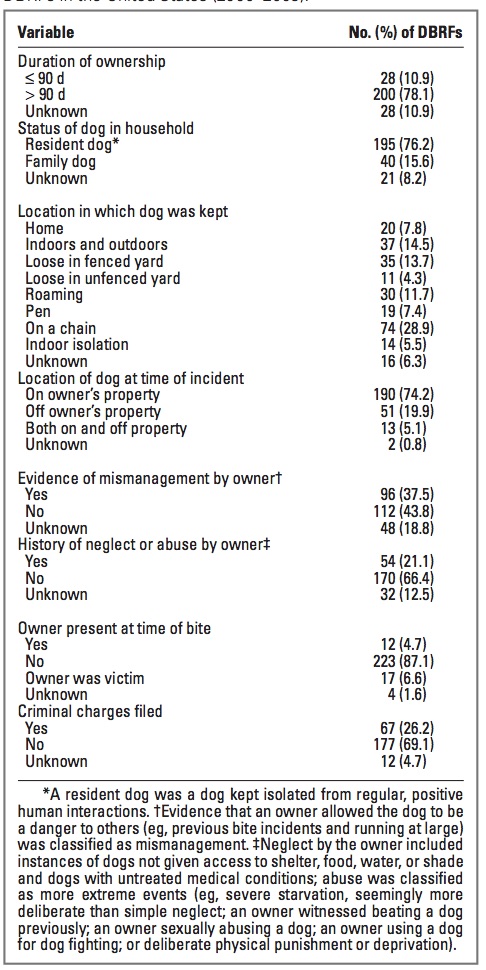
There are some really bad dogs. In a 10 year period from 2000-2009, one paper identified 256 dog-bite related fatalities in the US. Of course that's a tiny number compared to the overall number of dogs owned, but that's still 256 too many; the tragedy is compounded when you read that over half the victims were less than ten years old

Partaken, GJ. et al. Co-occurrence of potentially preventable factors in 256 dog bite–related fatalities in the United States (2000–2009). Journal of the American Veterinary Medical Association 2013. 243:12: 1726-1736.

Partaken, GJ. et al. Co-occurrence of potentially preventable factors in 256 dog bite–related fatalities in the United States (2000–2009). Journal of the American Veterinary Medical Association 2013. 243:12: 1726-1736.

Az a yid hot a hunt, iz oder der hunt keyn hunt nit, oder der yid iz keyn yid nit

If a Jew has a dog, either the dog is no dog, or the Jew is no Jew
— Sholem Aleichem. Rabtshik. Mayses far Yidishe Kinder. Ale Verk. Warsaw 1903

Fatalities from dog bites are rare. Dog bites are not. Over my career as an emergency physician I must have treated hundreds of patients with dog bites. And my experience is pretty typical. One recent study estimated that more than half the population in the US will be bitten by an animal at some time, and that dogs are responsible for 80-90% of these injuries. 

GOOD DOGS

Although Jews are thought not to have a historical affinity for dogs, one theologian has reassessed the evidence. In his 2008 paper Attitudes toward Dogs in Ancient Israel: A Reassessment, Geoffrey Miller  suggests that in fact dogs were not shunned in Israelite society. He notes that the remains of over a thousand dogs were discovered in a dog cemetery near Ashkelon dating from about the 5th century BC. It was described as "by far the largest animal cemetery known in the ancient world" by Lawrence Stager who also pointed out that during this period, Ashkelon was a Phoenician city - not a Jewish one. Miller surveys several mentions of dogs in the Bible and the Book of Tobit, and concludes that at least some Israelites "valued dogs and did not view them as vile, contemptible creatures." Joshua Schwartz from Bar-Ilan University surveyed Dogs in Jewish Society in the Second Temple Period and in the Time of the Mishnah and Talmud (a study that marked "...the culmination of several years of study of the subject of dogs...").  He found that while "most of the Jewish sources from the Second Temple period and the time of the Mishnah and Talmud continue to maintain the negative attitude toward dogs expressed in the Biblical tradition" there were some important exceptions. There were sheep dogs (Gen. Rabbah 73:11) and hunting dogs (Josephus, Antiquities 4.206) and guard dogs (Pesahim 113a), and yes, even pet dogs (Tobit, 6:2), though Schwartz concedes that "it is improbable that dogs in Jewish society were the objects of the same degree of affection as they received in the Graeco-Roman world or the Persian world."  

A certain person invited a sage to his home, and [the householder] sat his dog next to him. [The sage] asked him, ‘How did I merit this insult?’ [The house-holder] responded, ‘My master, I am repaying him for his goodness. Kidnappers came to the town, one of them came and wanted to take my wife, and the dog ate his testicles.
— PT Terumot 8:7

Very Good Dogs

Whatever your feeling about dogs, lets's be sure to remember that they serve alongside soldiers in the IDF, where they save lives. In 1969, Motta Gur (yes, the same Mordechai "Motta" Gur who commanded the unit that liberated the Temple Mount in the Six Day War, and who uttered those immortal words "The Temple Mount is in our hands!" הר הבית בידינו‎,) wrote what was to become a series of children's books called Azit, the Canine Paratrooper (later turned into a popular feature film with the same title. And now available on Netflix. (Really. It is available on Netflix.)  But IDF dogs don't just feature in fiction. They are a fact, and an amazing addition to the IDF, where they make up the Oketz unit.  Here's a news report (in Hebrew) about the amazing work these dogs - and their handlers- perform. These are very good dogs indeed.

[Mostly a repost from Ketuvot 41.]

Print Friendly and PDF

Nedarim 50b ~ Shmuel, Colonoscopies, and the Pillcam

Shmuel: Astronomer and Doctor Extraoirdinaire

Shmuel (c. 165- 257 CE) was a fascinating talmudic rabbi, who lived in Nehardea in Babylon. (Nehardea is located in what is today Anbar province in Iraq, and is under the control of ISIS. Heritage visits are therefore not recommended.)  Shmuel's areas of special interest were medicine and astronomy. He taught that all illnesses could be traced to "the air"  (הכל ברוח)  - or as we might put it today, the environment - and although he was a modest man, he was certain of his medical and astronomical skills.   He claimed to know the cure for  all but three medical conditions, (...כל מילי ידענא אסותייהו לבר מהני תלת) and he declared that he knew astronomy so well that the stars of the sky were as familiar to him as were the streets of Nehardea where he lived.

Although I am as familiar with the paths of the stars as with the streets of Nehardea, I can not explain the nature or the movements of the comets..
— TB Berachot 58b

Abdominal Pains? Swallow This...

In today's page of talmud, Shmuel offers another of his medical teachings - a way to diagnose gastrointestinal disorders.  

 מאי ביצה טורמיטא? אמר שמואל עבדא דעביד לה שוי אלפא דינרי! ומעייל לה אלפא זימני במיא חמימי ואלפא זימני במיא קרירי עד דמתזוטרא כי היכי דבלעיתה. ואם אית כיבא סריך עלה וכד נפקא ואתיא ידע אסיא מאי סמא מתבעי ליה ובמאי מתסי

What is meant by a turmita egg? Shmuel said [that it is such an important diagnostic tool] that  a slave who knows how to prepare it properly is worth a thousand dinars.  He puts the egg into hot water a thousand times and into cold water a thousand times, until the egg has shrunk so that it may be swallowed whole.  If a person has a stomach illness, a residue forms over the egg, and when the patient excretes it, the egg can be examined and the doctor will know which medicine is needed and how to heal the patient....(Nedarim 50b)

All this may seem rather fanciful, but Shmuel was trying to solve a huge problem: when we want to understand how the gastrointestinal system is functioning, how do we look at, and get information from a place where the sun don't shine?  Shmuel devised a remote probe - in his case a hard-boiled egg -  to send in and retrieve the necessary information. Two thousand years later, an Israeli medical device company has updated this idea, and in doing so has revolutionized the way we can investigate intestinal disorders.

The Israeli Pillcam - Shmuel's Idea in Action 

Image of PillCam-Colon2.jpg

One way that your doctor can figure out what is wrong with your gastrointestinal system is to take a look. For a many years, that meant sedation and inserting a scope the width of your index finger down the mouth and into the stomach, or up the rectum and into the colon. But an Israel company has changed all that, using Shmuel's idea (sort of).  Given Imaging, based in Yokne'am, has developed a pill which contains a camera capable of sending high quality images from the depths of your guts straight to your doctor's computer. You just swallow the pill and let it send images from deep inside you.

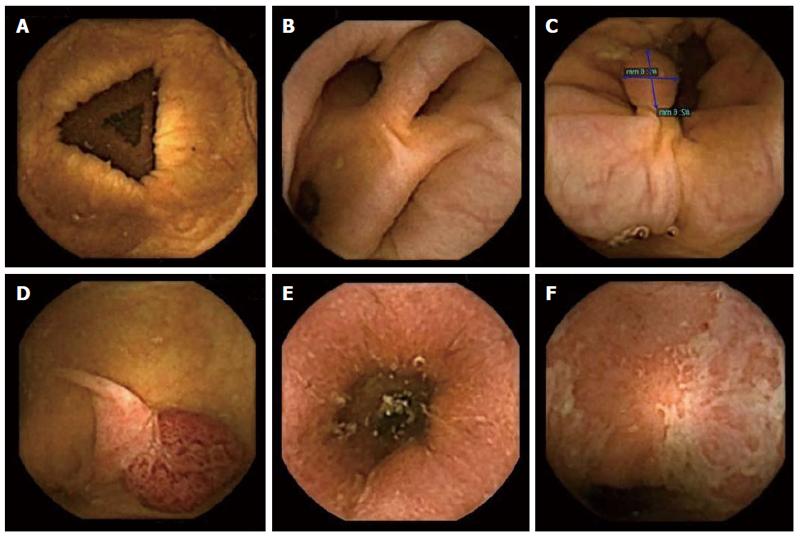
Normal colon and findings visualized at colon capsule endoscopy. A: Normal colon; B: Diverticula; C, D: Polyps; E, F: Ulcerative colitis. From Spada et al. Colon capsule endoscopy: What we know and what we would like to know. World Journal…

Normal colon and findings visualized at colon capsule endoscopy. A: Normal colon; B: Diverticula; C, D: Polyps; E, F: Ulcerative colitis. From Spada et al. Colon capsule endoscopy: What we know and what we would like to know. World Journal of  Gastroenterology 2014: 7; 20(45): 16948-16955.

There are of course limits to the pillcam technology - for one thing if a lesion is seen in the images, it will need to be biopsied, and that needs an old fashioned endoscopy exam.  But it is a wonderful option for GI doctors and their patients. Perhaps even Shmuel would have been willing to give up his very shriveled hard-boiled egg for the opportunity to swallow a new, shiny, white Israeli pillcam.   

Print Friendly and PDF

Nedarim 39b ~ Visiting the Sick

נדרים לט, ב - מ, א

תניא ביקור חולים אין לה שיעור ... אמר אביי: אפי' גדול אצל קטן רבא אמר אפי' מאה פעמים ביום אמר רבי אחא בר חנינא כל המבקר חולה נוטל אחד מששים בצערו

יצא ר' עקיבא ודרש: כל מי שאין מבקר חולים כאילו שופך דמים. כי אתא רב דימי אמר: כל המבקר את החולה גורם לו שיחיה וכל שאינו מבקר את החולה גורם לו שימות

Visiting the sick is a mitzvah that has no limit... Abaye said that even an important person must visit a lesser person who is ill...Rava said: [you must visit a sick person] even one hundred times a day...Rabbi Acha bar China said: "Whoever visits a sick person takes away one-sixtieth of his suffering...

Rabbi Akiva expounded and said: "Whoever does not visit the sick, it is as if he sheds blood." When Rav Dimi came [from Israel to Babylon] he said: "Whoever visits the sick causes the person to live, and whoever does not visit the sick, causes the person to die." (Nedarim 39b-40a)

Three weeks ago I visited the famous Grady Memorial Hospital in Atlanta, and was privileged to be given a tour of their new Neurocritical Care Unit, part of the Marcus Stroke and Neuroscience Center (and thank you, Bernie "Home Depot" Marcus).   While the unit has all the fancy equipment you'd expect, what impressed me the most was a feature I had not seen in any other intensive care unit (ICU): every patient room has an adjoining suite where a family member can eat, sleep, shower and wait (and there is a lot of waiting in ICUs). There are no visiting hours; the family member literally lives in the ICU with their loved one.  My tour guide explained that the unit sees the presence of  visitors as a way of offering the best care to the patient. It is a wonderful approach to the care of the sick - but it wasn't always like that.

Ticket to visit a patient from BMJ 2007 article.jpg

A History of Visiting the Sick - in Hospitals

Visiting times in hospitals still vary greatly, and many have an open door policy. But not too long ago, you might only be able to visit a patient in a hospital for a couple of hours each week. In the 1870s, Doncaster Royal Infirmary in Britain limited visiting to three afternoons a week - which was a more generous policy than that of the Royal Berkshire Hospital, which allowed only one 15 minute visits twice a week. In a survey of over 400 British hospitals conducted in 1988, over a quarter of those which replied allowed visiting for no more than two hours a day. Perhaps these restrictive policies were in response to some visitors who abused the generosity of Britain's glorious National Health Service. 

[A more open visiting policy] proved to be a disaster, primarily because of abuse of the system by visitors. Many would arrive promptly at 8 am and stay all day. They would bring sandwiches and flasks . . . and camp out by their relative’s bed . . . Others would eat patients’ food, [and] ask for extra cups of tea...there was even a threat of violence from a visitor asked to leave temporarily...
— Alderman B. Hospital visiting hours. BMJ 1988;296:1798-9.

Help Patients Get Well Sooner - By Visiting Them

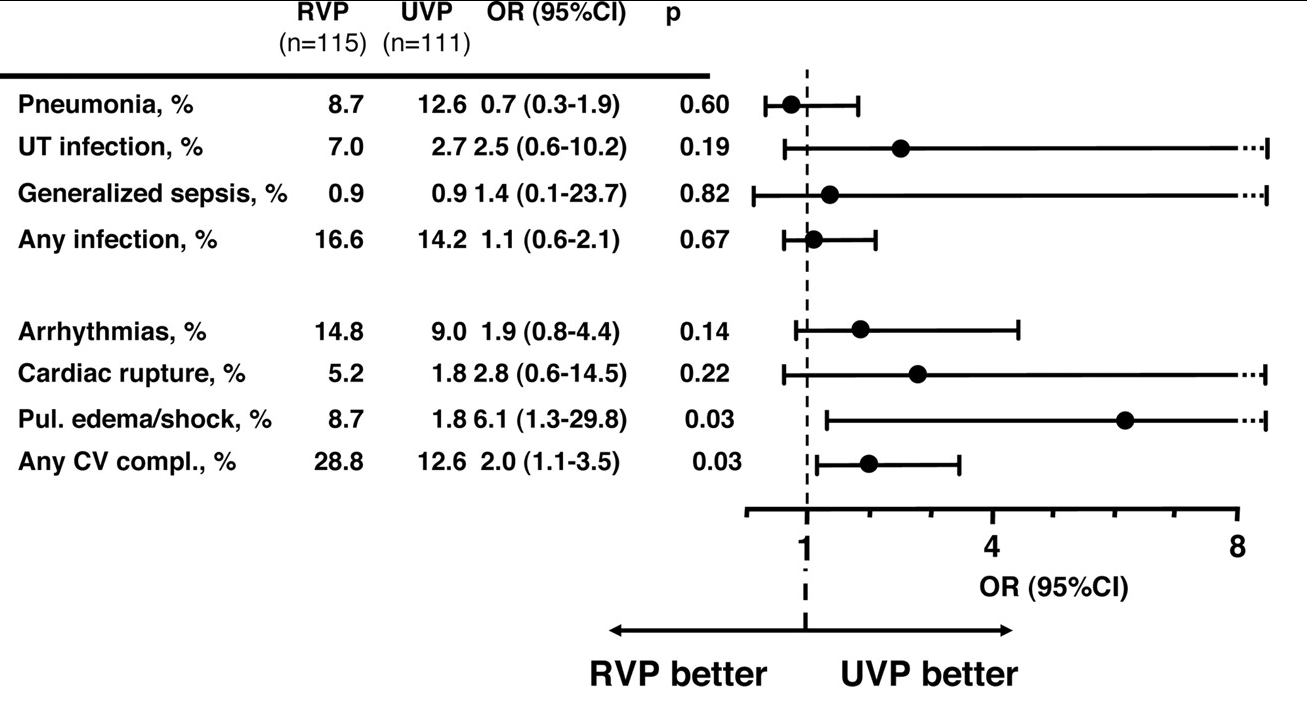
In 2006 an Italian group reported the results of a study on the effects of hospital visitors on patient outcomes in its small intensive care unit.  The ICU changed its visiting policy from a restricted one (one visitor twice a day for thirty minutes) to an unrestricted one every two months.  After two years of this alternating policy, the authors compared the outcomes of their 226 patients. Despite significantly higher environmental microbial contamination during the unrestricted visiting periods, septic complications were similar. But the risk of cardiocirculatory complications was twice as high in the restricted visiting periods, which were also associated with a (non-significantly) higher mortality rate. The unrestricted group was associated with a greater reduction in anxiety score and a significantly lower increase in thyroid stimulating hormone from admission to discharge. The authors concluded that "liberalizing the visiting hours seems to be more protective because it is associated with a reduction in severe cardiovascular complications."

Incidence, with Odds Ratio and 95% Confidence Intervals, of septic and major cardiovascular complications in patients enrolled during the restricted (RVP) and unrestricted visiting periods (UVP) adjusted for age, gender, and time of enroll…

Incidence, with Odds Ratio and 95% Confidence Intervals, of septic and major cardiovascular complications in patients enrolled during the restricted (RVP) and unrestricted visiting periods (UVP) adjusted for age, gender, and time of enrollment. RR indicates relative risk; UT, urinary tract; pul., pulmonary; and CV compl., cardiovascular complication. From Fumagalli et al. Reduced Cardiocirculatory Complications With Unrestrictive Visiting Policy in an Intensive Care Unit Results From a Pilot, Randomized Trial. Circulation. 2006;113:946-952.

Writing in The Journal of the American Medical Association in 2004, Donald Berwick and Meeta Kotogal called for a change in the policy of restricted visiting hours in intensive care units.  They noted three areas which are often of concern to ICU staff when considering the question of visiting hours.  They also noted that although these concerns seem reasonable, the scientific literature tells "quite a different story."

Physiologic Stress for the Patient: "The concern that the patient should be left alone to rest incorrectly assumes that family presence at the bedside causes stress. The empirical literature suggests that the presence of family and friends tends to reassure and soothe the patient, providing sensory organization in an overstimulated environment and familiarity in unfamiliar surroundings. Visits of family and friends do not usually increase patients’ stress levels, as measured by blood pressure, heart rate, and intracranial pressure, but may in fact lower them. Nursing visits, on the other hand, often increase stress." 

Barriers to the Provision of Care: "The second concern is that the unrestricted presence of loved ones at the bedside will make it more difficult for nurses and physicians to do their jobs and may interfere with the delivery of care. The evidence suggests, however, that the family more often serves as a helpful support structure, increasing opportunities for patient and family education, and facilitating communication between the patient and clinicians." 

Exhaustion of Family and Friends: "The third concern is that constant visiting with the patient may prove exhausting for family and friends who fail to recognize the need to pace themselves. While that does sometimes happen, it is also true that open visiting hours help alleviate the anxiety of family and friends, allowing them to spend time with the patient when they want and to feel more secure and relaxed during the time they are not with the patient. One study found that open visitation had a beneficial effect on 88% of families and decreased anxiety in 65% of families."

A review of visitation policies in ICUs produced by the American College of Critical Care Medicine Task Force went one step further and found "no evidence that pets that are clean and properly immunized should be restricted from the ICU environment." So don't forget to bring the dog next time you visit a family member or friend in the ICU (or anywhere else for that matter). 

...the preponderance of the literature supports greater flexibility in ICU visitation policies. Descriptive studies of the physiologic effects of visiting on mental status, intracranial pressure, heart rate, and ectopy demonstrated no physiologic rationale for restricting visiting. In fact, in seven of 24 patients with neurologic injuries, family visits produced a significant positive effect, measured by decrease in intracranial pressure.
— Davidson et al. Clinical practice guidelines for support of the family in the patient-centered intensive care unit: American College of Critical Care Medicine Task Force 2004–2005. Critical Care Medicine 2007; 35 (2): 612.

How To Visit A Friend Who's Sick - Then, and Now

Most of the evidence about the benefits of visiting the sick that we've been discussing have centered on the ICU- because that's where most of the research has been done. But for most of the time, an ill friend will not be in the ICU, or even in the hospital. Instead they will be at home, and so that is where the visit will occur.  Sadly, the ability to be a friend to a friend who is sick does not come easy to all of us.  Here's what Letty Pogrebin noted, in her recent book How to be a Friend to a Friend Who's Sick:

It's not uncommon for people to freeze or panic in the company of misery, botch gestures that were meant to ease, attempt to problem-solve when we have no idea what we're talking about, say the wrong thing, talk too much, fidget in the sick room, sit too close to the patient or stand too far away. Some of us don't visit our sick friends at all...

The Talmud sensed that visitors need some guidelines as to how to behave, and so in the daf that we will learn tomorrow, Rav Shisha suggested the following rule: "One should not visit a sick person in the first three hours of the day or in the last three hours of the day." In addition, the Talmud notes that "one who goes to visit the sick should not sit on the bed nor on a bench or a chair, but instead should wrap himself up in his cloak and sit on the ground, because the divine presence rests above the bed of a sick person." While we may no-longer follow this advice, the suggestion that we take our visits to the sick seriously is one that we should heed. Let's close with some more advice, updated for the modern era, from Pogrebin's 2013 handbook (p86-86):

  1. Ask the patient to be honest with you and all their friends.

  2. Be honest with yourself about your attitude toward the visit.

  3. Think through your role in the visit.

  4. Don't visit if you can't abide silence.

  5. Be prepared to respond without flinching to whatever scene or circumstances greet you during your visit.

  6. Be sensitive to your friend's losses.

  7. Talk honestly with your children about the demands illness makes on friendship and how important it is to visit people who want company.

What is the reward given for visiting the sick in this world? “God will guard him and restore him to life and he will be fortunate on earth, and You will not give him over to the desire of his foes.” [Ps 41:3.]:
”God will guard him” - from the evil inclination.
”And restore him to life” - from his suffering.
”And he will be fortunate on earth”- in that everyone will take pride in him.
”And You will not give him over to the desire of his foes”- for he will have good friends...

— TB. Nedarim 40a
Print Friendly and PDF

Nedarim 31b ~ Great is Milah

נדרים לא, ב

רבי ישמעאל אומר: גדולה מילה שנכרתו עליה שלש עשרה בריתות. רבי יוסי אומר: גדולה מילה שדוחה את השבת חמורה. רבי יהושע בן קרחה אומר: גדולה מילה שלא נתלה לו למשה הצדיק עליה מלא שעה. רבי נחמיה אומר: גדולה מילה שדוחה את הנגעים. רבי אומר: גדולה מילה שכל המצות שעשה אברהם אבינו לא נקרא שלם עד שמל שנאמר "התהלך לפני והיה תמים" דבר אחר גדולה מילה שאלמלא היא לא ברא הקב"ה את עולמו שנאמר כה אמר ה' אם לא בריתי יומם ולילה חקות שמים וארץ לא שמתי

R. Ishmael said, great is [the precept] of Milah (circumcision), Since thirteen covenants were made concerning it.  R. Jose said, circumcision is a great precept, for it overrides the strict laws of  Shabbat. R. Joshua b. Karha said: great is [the precept of] circumcision. For [neglecting] which Moses did not have [his punishment] suspended even for a single hour. R. Nehemiah said, great is [the precept of] circumcision, since it supersedes the laws of Nega'im. Rabbi said, great is circumcision, for in spite of all the commands that Abraham fulfilled, he was not called complete until he circumcised himself, as it is written, “walk before me, and be complete.” Another explanation: great is circumcision, since but for that, the Holy One, Blessed be he, would not have created the universe, as it is written, “but for my covenant (בריתי) by day and night, the laws of Heaven and Earth I would not have established." (Nedarim 31b).

Non-Religiously Motivated Circumcision

Medical circumcision is widely practiced in the US where the rate of male newborn circumcision is about 55%, down from a high of about 62% in 1999. (This change may be due to an increase in the Hispanic population, which is traditionally non-circumcising.) In Europe the rate varies greatly by country. In Britain about 16% of male babies are circumcised; in Denmark, the figure is less than 2%. Worldwide, about one-third of all male boys are circumcised by the age of fifteen.

In 2012 the Task Force on Circumcision of American Academy of Pediatrics reviewed the scientific literature about the health benefits of male circumcision.  The Task Force concluded that “the preventive health benefits of elective circumcision of male newborns outweigh the risks of the procedure.”  However, these health benefits were not enough for them to recommend circumcision as a routine procedure for all male newborns - and this position is also held by Britain's National Health Service.  What then, are the health benefits of male circumcision?

Global prevalence of male circumcision. From Male circumcision: global trends and determinants of prevalence, safety and acceptability. World Health Organizations and the Joint United Nations Program on HIV/AIDS, 2007. 

Global prevalence of male circumcision. From Male circumcision: global trends and determinants of prevalence, safety and acceptability. World Health Organizations and the Joint United Nations Program on HIV/AIDS, 2007. 

In the pluralistic society of the United States, where parents are afforded wide authority for determining what constitutes appropriate child-rearing and child welfare, it is legitimate for the parents to take into account their own cultural, religious, and ethnic traditions, in addition to medical factors, when making this choice.
— Technical Report: Male Circumcision. American Academy of Pediatrics. Pediatrics 2012; 130 (3): e756-785.


Sexually Transmitted Diseases – including HIV

In 2005 the first study on the role of circumcision in protecting against HIV infection was published. The study was run in South Africa, where over 3,200 men were randomized to circumcision or no-circumcision. The study was stopped early when an interim analysis showed that HIV infection was 60% lower in the circumcision group. Male circumcision prevented six out of ten potential HIV infections. This was a remarkable finding.  In fact the study team commented that male circumcision provided an equivalent degree of protection against acquiring HIV infection “to what a vaccine of high efficacy would have achieved.”

And male circumcision is not just protective against HIV. It decreases the transmission rates for human papilloma virus (HPV) and herpes simplex virus 2 (HSV-2) in female partners, and the balance of evidence suggests that it also protective against syphilis. (But it doesn’t seem to protect against the two most common sexually transmitted diseases in the US – chlamydia and gonorrhea.) A team from John Hopkins University School of Public Health predicted that if neonatal circumcision rates in the US would fall to European levels of about 10%, the result would be an additional $500 million in healthcare costs. Over a ten year period, there would be more than 4,000 new HIV infections in men and more than 125,000 new herpes simplex infections.

With an estimated cost per infection averted in the range of $150 to $900 over a 10-year period (depending on the local incidence of HIV infection), male circumcision appears to be one of the most cost-effective preventive approaches, requiring only a one-time intervention.
— Piot and Quinn. Response to the AIDS Pandemic - A Global Health Model.New England Journal of Medicine 2013. 368;23. 2210-2218

Urinary Tract Infections and Phimosis

Male circumcision also protects against urinary tract infections – but according to the Task Force you’d have to circumcise about 100 babies to prevent one such infection. Phimosis (an inability to retract the foreskin) and other inflammatory problems of the penis are either absent or much reduced in circumcised boys:  “From ages 1 through 8 years, the rates were 6.5 penile problems per 100 circumcised boys over the study period, compared with 17.2 penile problems per 100 uncircumcised boys.”

Penile and Cervical Cancer

Penile cancer is rare, but cervical cancer is not.  Male circumcision reduces the risk of penile cancer by about 50%, and it seems that it also reduces the odds of cervical cancer in the man’s partner (especially if he has had six or more lifetime sexual partners.)

The Risks from Male Circumcision

There are of course risks associated with the procedure of male circumcision itself, but these are rare.  A recent study reviewed 1.4 million male circumcisions and found only 16 cases in which an adverse event occurred, although ten of these were serious.  Overall, the procedure is very safe when properly performed in the first year of life, but complications rise up to twenty-fold if the procedure is performed after infancy. (It goes without saying that the dangerous practice of metzizah  be-peh should never be performed.)

What about life after a safely performed circumcision? Does that change? One recent Belgium study of more than 1,000 men,  “circumcised men reported decreased sexual pleasure and lower orgasm intensity. They also stated more effort was required to achieve orgasm, and a higher percentage of them experienced unusual sensations (burning, prickling, itching, or tingling and numbness of the glans penis).” A Danish study found a similar result: “circumcised men …were more likely to report frequent orgasm difficulties…and women with circumcised spouses more often reported incomplete sexual needs fulfillment.” These were however, individual studies, and in 2013, the Journal of Sexual Medicine published an exhaustive meta-analysis of 36 publications describing the effects of male circumcision on aspects of male sexual function. It found no evidence overall "for any significant difference in components of sexual function, sensitivity, sexual sensation, or sexual pleasure in men who are circumcised and men who are not." Furthermore, it examined several studies of men circumcised in adulthood, which are of particular research interest since these men serve as their own control.  In this group too, the meta-analysis failed to find any adverse effect of circumcision on the parameters examined. 

The Costly Investment of Brit Milah

The medical benefits of male circumcision are well documented, and its risks are small. But none of these benefits were known to those who first introduced the ritual, and anthropologists wonder why circumcision, and other painful and irrevocable rites of passage, should be so common across cultures.  One possible answer comes from the theory of costly investment.

This is based on the finding that religious, ethnic and tribal groups that demand more from their members do better in the long run than those that demand less. These groups have to insure that all members contribute equally, and that there are no “free-riders” – those who are taking from the group but not giving back. One way to weed out the free-riders is to demand a costly and irrevocable investment in order to join the group – and that investment might be circumcision, tattooing or scarification, all of which are used as a means to induct new members. Once the costly investment is made, a person will be less likely to leave the group. Joseph Henrich (from the departments of Psychology and Economics at the University of British Columbia) has a term for these investmentscredibility enhancing displays (CREDs):

Participation in rituals involving costly acts will elevate people's degree of belief commitment. If the professed beliefs involve group commitment, cooperation toward fellow in- group members, or the hatred of out-groups, then ritual attendees will trust, identify and cooperate with in-group members more than non attendees.

...In learning how to behave and what to believe, learners give weight to both prestige and CREDs, among other things. Thus, successful cultural forms, especially those involving deep commitment to counterintuitive beliefs, will tend to begin with and be sustained by prestigious individuals performing CREDs. Cues of prestige influence who people pay attention to for learning, while CREDs convince them that the prestigious model really believes (is committed to) his or her professed beliefs. The “virtuous- ness” arises from these prestigious individuals' role as models. CGS [Cultural Group Selection] will favor, over long swaths of historical time, religions with role models who effectively transmit beliefs and practices that strengthen in-group cooperation, promote intra-group harmony and increase competitiveness against out-groups. 

From Henrich, J. The evolution of costly displays, cooperation and religion: credibility enhancing displays and their implications for cultural evolution. Evolution and Human Behavior 2009; 30: 244-260.

From Henrich, J. The evolution of costly displays, cooperation and religion: credibility enhancing displays and their implications for cultural evolution. Evolution and Human Behavior 2009; 30: 244-260.

Nelson Mandela's Ritual Circumcision

Whether or not Brit Milah is just another credibility enhancing display, it is a very widely practiced ritual- and extends far beyond the Jewish and Muslim communities.  Nelson Mandela recalled his own circumcision (at the age of 16!) in his autobiography

When I was sixteen, the regent decided that it was time I became a man. In Xhosa tradition this is achieved through one means only: circumcision.  In my tradition, an uncircumcised male cannot be heir to his father's wealth, cannot marry or officiate at tribal rituals. An uncircumcised Xhosa man is a contradiction in terms, for he is not considered a man at all, but a boy...

The night before the circumcision there was a ceremony near our huts with singing and dancing. Women came from the nearby villages, and we danced to their singing and clapping...At dawn, when the stars  were still in the sky...we were escorted to the river to bath in its cold waters, a ritual that signified our purification before the ceremony...We were clad only in our blankets, and as the  ceremony began, with drums pounding, we were ordered to sit on a blanket n the ground with our legs spread out in front of us...I could see a thin elderly man emerged from a tent and knee in front of the first boy...The old man was a famous ingcibi, ad circumcision expert...

Suddenly, I heard the first boy cry out: "Ndyindoda!"   (I am a man!), which we were trained to say at the moment of circumcision...before I new it, the old man was kneeling in from of me...without a word he took my foreskin, pulled it forward, and then, in a single motion, brought down his assegai...I felt fire shooting through my veins; the pain was so intense that I buried my chin into my chest. Many seconds seemed to pass before I remembered the cry, and then I recovered and called out, "Ndiyindoda"...A boy may cry; a man conceals his pain...I was given my circumcision name, Dalibunga, meaning "Founder of the Bunga,"...

Jewish Criticism of Milah

Among the most vocal critics of the practice today are those who are born Jewish. But circumcision has been criticized for as long as it has been practiced, and these self-criticisms are not new.  In the 1780s, a British Jew (who wrote anonymously) published a pamphlet called A Peep into the Synagogue, in which he was critical of many Jewish practices.  And his most scathing words were those he penned about circumcision:

In the extravagant Catalogue of Jewish absurdities, there is not one more shameful than that of Circumsition [sic], it is a barbarous violation of the principles of Nature,  For what can be more unhuman, than to punish an Infant by a cruel operation on a part of its body, done by a bungling Butcher of a Priest! Or what can be more insulting to all-wise Creator, than for a stupid Fool of a Fellow, to presume to correct His workmanship, by finding one superfluous part, and taking that away to reduce the subject to perfection. (Anonymous. A Peep into the Synagogue, or A Letter to the Jews. London, undated.) 

The Joy of Milah

Although it is under attack in Europe and is less popular than it has been US, circumcision remains a time for joy for the many faith communities in which it is practiced. The ritual is often accompanied by feasting and gift-giving, whether it is performed in Muslim or Jewish communities, or by members of African tribes.  The Talmud explains why, for Jews, the ritual is one that is associated with so much joy. It is an explanation that is as simple as it is profound:

שבת קל, א

 תניא רשב"ג אומר כל מצוה שקיבלו עליהם בשמחה כגון מילה דכתיב "שש אנכי על אמרתך כמוצא שלל רב" עדיין עושין אותה בשמחה

It was taught in a Baraisa: Rabban Shimon ben Gamliel says: Any commandment that the Jewish people accepted with joy - like circumcision, as it it written: "I rejoice over your word like one who finds great spoils" [Ps. 119:162]  - they still perform with joy...(Shabbat 130b.)

Print Friendly and PDF