From the Talmudology Yom Kippur Archives ~ To the Right. Always to the Right

Tomorrow night is the start of Yom Kippur, the Day of Atonement, which is the holiest day in the Jewish calendar. Many of the prayers center on the service that was once performed in the Temple in Jerusalem. So in honor of Yom Kippur, today we dip into the Talmudology archives and discuss an important aspect of the Temple service.

יומא טו, ב

כל פינות שאתה פונה לא יהו אלא דרך ימין...

All turns that you make must be towards the right

In discussion the service in the Temple, the Talmud notes that when walking up the ramp to the top of the Altar, the Cohen must make a right turn at the top. Following that, every turn he makes must be a right turn. But why a right turn?

The importance of the right side in Judaism

In the Talmud and in normative Jewish practice, the preference to favor the right over the left is everywhere. Here are just a few. (How many more can you think of?)

  • Rav Ashi rules that Tefillin must placed it on the left arm, because it is weaker than the right and the action of placing them should be performed with the stronger right hand (מנחות לז, א).

  • The Talmud teaches that a right-handed person who writes with her left hand on Shabbat has not violated the prohibition against writing. It doesn't count. Maimonides (הלכות שבת 11:14) agrees:

הַכּוֹתֵב בִּשְׂמֹאלוֹ אוֹ לְאַחַר יָדוֹ בְּרַגְלוֹ בְּפִיו וּבְמַרְפֵּקוֹ פָּטוּר

  • According to Rava, walking should start with the right leg, and not the left (יומא יא, ב)

  • As we know from studying Zevachim, the entire service in the Temple in Jerusalem must be performed with the right hand (ביאת המקדש 5:18 )

  • The rite of חליצה must be performed with the right leg and a right shoe (יבמות קד, א).

  • The mezuzah can only be placed on the right side of the door (רמבם הל׳ מזוזה 6:12).

  • The best student of a rabbi should walk on the rabbi's right side, relegating the second best to the left (יומא לז, א).

  • Again in this tractate, Rabbi Yehudah stated that “the right hand of the deputy high priest (סגן כהן גדול) is superior to the left hand of the high priest (כהן גדול) (יומא לט,א)

  • After observing his teacher Rabbi Yehoshua, Rabbi Akiva taught that the left hand should be used after using the bathroom, out of respect to the right hand (ברכות סב,ב). When challenged as to why Rabbi Akiva was impertinent enough to report on which hand his teacher wiped himself he replied תורה היא וללמוד אני צריך - "this too is Torah, and I must study it".

לֵ֤ב חָכָם֙ לִֽימִינ֔וֹ וְלֵ֥ב כְּסִ֖יל לִשְׂמֹאלֽוֹ׃

A wise man’s mind tends toward the right hand, a fool’s toward the left.

— Kohelet 10:2

It's not Just Judaism

  • In Islam

The importance of all things right handed is found in other religions. For example, when Muslims perform any of the following, it is mustahabb [مستحبّ‎, - "recommended"] to start on the right or use the right hand.

  • putting on one's garment and pants and shoes

  • entering the mosque, using the siwaak [ a kind of toothpick]

  • putting on kohl [an ancient blue eye cosmetic]

  • clipping the nails

  • trimming the mustache

  • combing the hair plucking the armpit hair

  • shaving the head

  • saying salaam at the end of prayer

  • washing the limbs when purifying oneself

  • exiting the toilet, eating and drinking

  • shaking hands

  • touching the Black Stone [ٱلْحَجَرُ ٱلْأَسْوَد‎, al-Ḥajaru al-Aswad, a rock set into the eastern corner of the Kaaba, the ancient building located in the center of the Grand Mosque in Mecca, Saudi Arabia. Legend has it that the rock dates back to Adam and Eve.]

  • The Bukhari Sharif , one of the six major hadith collections of Sunni Islam rules along the lines of Rabbi Akiva:

"... when you urinate, do not touch your penis with your right hand. And when you cleanse yourself after defecation, do not use your right hand."

The right hand of the Messenger of Allah (peace and blessings of Allah be upon him) was for his purification and food, and his left hand was for using the toilet and anything that was dirty...
— Sunan Abi Dawood (33)
  • in christianity

  • When genuflecting, it is the right knee that is bent while the left hip is extended, "because genuflecting on the right knee is a sign of worship and is reserved for God alone."

  • in hinduism

  • Offerings, such as flowers or garlands, are carried with both hands on the right side of the body.

  • "Pointing with the forefinger of the right hand or shaking the forefinger in emphasis while talking is never done. This is because the right hand possesses a powerful, aggressive pranic force, and an energy that moves the forces of the world."

  • Vāmācāra ( वामाचार, meaning "left-handed attainment" in Sanskrit) describes the "Left-Hand Path" or "Left-path" It is used to describe a particular mode of worship that is heterodox to standard Vedic teachings.

  • In Benares, the holiest of the seven sacred cities and sitting on the Ganges, "pilgrims circumambulate with their right hands towards the center, as Krishna is alleged to have done at the sacred mountain."

Well, you get the point.  Judaism, along with all the major religions (and some you've never heard of) emphasize the dominance of the right hand in all things holy. Or mundane.

The Ngaga of southern Borneo believe everything in the after-world is reversed, “sweet” becoming “bitter”, “straight” becoming “crooked”, and “right” becoming “left”. Likewise the Toraja of Celebes (Sulawesi) believed the dead do everything backwards, even pronouncing words backwards... the dead therefore use their left hand...
— I. C. Mcmanus. Right Hand, Left Hand: The Origins of Asymmetry in Brains, Bodies, Atoms and Cultures. Phoenix 2003, p27.

 and It's not just religions

There are lots of things that have chirality - meaning they have a mirror image but cannot be mapped onto that mirror image by rotations and translations. They exist in left or right-handed versions. Let's start with in easy example. Um, your hands. Although your right hand mirrors your left, your right hand cannot (comfortably) fit into a handed-glove.

From here.

Here's another example. Bend your fingers and extend your thumb as below. You've made two mirror images that cannot be mapped onto each other. (Go on. Give it a try. See what I mean?) That's chirality.

If we extend this to molecules, they are left or right-handed, meaning they are mirror images but they cannot be superimposed on each other. These are isomers. Like this:
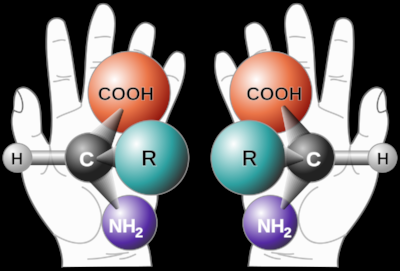
From here.

And here is where things start to get really weird. Nearly everything in the universe - from chemicals and medications to fundamental particles and even galaxies themselves have a right-handed or left-handed preference. No, really. 

Let's start with the essential building blocks of life: amino acids and sugars. Almost all amino acids (not you, glycine) used by life on earth (but not necessarily elsewhere in the universe) are left-handed.  Right-handed amino acids exist of course. They're just not utilized by any life form on earth. Any.  If you sit in a lab and cook up an amino acid from its ingredients, you will make an equal amount of the left and right handed variates. That's just good old chemistry at work. But life on earth can only use half the mixture: the L form. Some bacteria can actually convert right-handed amino acids into the left-handed version, but they can’t use the right-handed ones as is.

Like amino acids, sugars also come in two isomers, but those that are used by life forms on earth are the right-handed variety. All the enzymes that living things use to manipulate amino acids and sugars only work on left-handed amino acids and right-handed sugars. They simply can't use the opposites. Why did life turn out this way? Truth is, nobody knows.  

Medications also exhibit chirality. For example, propranolol is commonly used to help control high blood pressure. Some of you reading this may be taking it. The left form (L-propranolol) is the one that helps. The right form (known as D-propranolol) is inactive. (The Latin for left and right is laevus and dexter, respectively.)

Quinine is an antimalarial drug. It has an isomer called quinidine, and quinidine has no anti-malarial action. But it's a great drug to reduce arrhythmias of the heart. One compound, with two isomers, each with their own remarkable and very different healing properties.

Now consider muons, a fundamental particle in our universe. It is kind of like an electron, but about 200 times heavier. Muons have an average life-expectancy of 2.2 microseconds (so don't expect any kind of long-term relationship,) after which time they decay into an electron, a neutrino, and an anitneutirno. The direction that the electron will come out depends on the direction in which the muon spins. Now you would expect there to be equal amounts of electrons that are ejected spinning one way or another. But there aren't.  What happens is that 99.9% of muons decay in a right-handed fashion.

And while we are on the subject of decaying muons, let's talk about those neutrinos, which are a weird fundamental particle with the smallest mass of any known thing. They too, have a preference for the right or left. All neutrinos are left handed, while all anti-neutrinos (whatever that means) are right handed.

Left and right handed galaxies. From here.

Ready for more? Statistically speaking our universe should contain an equal amount of left and right handed galaxies (as noted in how they spin). But this should not occur. In an analysis of over 2,600 nearby spiral galaxies and a later analysis of 15,000 more, Michael Longo demonstrated that that left-handed spirals are more common in the northern hemisphere, above the northern galactic pole. And although the signal is less strong, right-handed spirals appear more frequently in the south.

It's good to be a leftie

About 10-13% of humans are left-handed. (Captive chimpanzees are more left-handed than us, with an approximate 2:1 ratio of righties to lefties. In us it's more like 8:1) But aside from the problem of not finding scissors that work for you, being a leftie gives you some pretty good advantages.

...not only left-handers are over-represented in confrontational sports, but the closer the physical interaction of the opponents such as in boxing, fencing, judo, or karate, the greater the prevalence of left-handers. In basketball, football, handball, table tennis, tennis, and volleyball, for instance, competitors stand some distance apart and do not confront directly. But even in these sports, there are more than the expected number of left-handers...
— Grouios G. et al. Do left-handed competitors have an innate superiority in sports? Perception and Motor Skills, 2000:90;1273-1282

At the undergraduate level they are more likely to take part in a whole range of events, from judo and fencing and soccer and volleyball. But when it comes to non-confrontational sports like cycle racing, running or swimming, the proportion of left handers fall back to that of the general population. Lefties make up about 10% of the population, but 23% of all Wimbledon tennis champions were lefties.

There is a lot more evidence that lefties have many advantages over righties. In a complicated test of spatial skills which you can read about here, 47 lefties demonstrated faster and more accurate spatial skills than the 50 righties, along with strong executive control and mental flexibility. And in this study of 100 lefties and 100 righties, the left-handed demonstrated greater creativity than the right-handed on all 4 scales of the Torrance test which examines creative thinking.

And lefties appear to be smarter that righties.  In a study of some 300 gifted children, left (-or mixed-handedness) occurred more frequently in those who were mathematically or verbally precocious (for our readers in the US, this meant an SAT-M score of more than 700 and an SAT-L score of more than 630). Of the last 15 US presidents, seven (about 47%) have been left-handed.  That's almost 1 in 2! Oh, and compared with righties, college-educated left-handers in the US earn 10-15% more.

Leonardo da Vinci was a lefty, as were Michelangelo, Isaac Newton, and Albert Einstein.

Despite these, and many other advantages, our cultures have stigmatized those who are left-handed. We all know that the word sinister (meaning something harmful or evil is going to happen) comes from the Latin sinister meaning left.  But there are more examples of anti-left associations in other languages too. Adroit, meaning clever or skillful comes from the French word for right droite, meaning dextrous. In German, linkisch means awkward, and it comes from the German links, meaning left. And so it goes on.

Back to the Jewish Bible

Left-handed people are mentioned only three times in Tanach, and all come from the tribe of Benjamin:

  • There were the 700 men from the tribe of Benjamin who could use a sling with deadly accuracy (שופתים 20:16):

מִכֹּ֣ל ׀ הָעָ֣ם הַזֶּ֗ה שְׁבַ֤ע מֵאוֹת֙ אִ֣ישׁ בָּח֔וּר אִטֵּ֖ר יַד־יְמִינ֑וֹ כָּל־זֶ֗ה קֹלֵ֧עַ בָּאֶ֛בֶן אֶל־הַֽשַּׂעֲרָ֖ה וְלֹ֥א יַחֲטִֽא׃

  • There were the ambidextrous men who came to fight for King David at Ziklag, who were from the tribe of Benjamin (דברי הימים א, 12:2)

נֹ֣שְׁקֵי קֶ֗שֶׁת מַיְמִינִ֤ים וּמַשְׂמִאלִים֙ בָּֽאֲבָנִ֔ים וּבַחִצִּ֖ים בַּקָּ֑שֶׁת מֵאֲחֵ֥י שָׁא֖וּל מִבִּנְיָמִֽן׃

  • And perhaps most famously there was the left-handed Ehud ( אֶת־אֵה֤וּד בֶּן־גֵּרָא֙ בֶּן־הַיְמִינִ֔י אִ֥ישׁ אִטֵּ֖ר יַד־יְמִינ֑וֹ) who assassinated the Moabite king Eglon (שופתים 3:12-30). Because Ehud was left-handed he hid his dagger on his right side. In this way he got past the body search outside the throne room, where the guards looked for a weapon on the left. As for the rest, well, read on:

    וַיִּשְׁלַ֤ח אֵהוּד֙ אֶת־יַ֣ד שְׂמֹאל֔וֹ וַיִּקַּח֙ אֶת־הַחֶ֔רֶב מֵעַ֖ל יֶ֣רֶךְ יְמִינ֑וֹ וַיִּתְקָעֶ֖הָ בְּבִטְנֽוֹ׃ וַיָּבֹ֨א גַֽם־הַנִּצָּ֜ב אַחַ֣ר הַלַּ֗הַב וַיִּסְגֹּ֤ר הַחֵ֙לֶב֙ בְּעַ֣ד הַלַּ֔הַב כִּ֣י לֹ֥א שָׁלַ֛ף הַחֶ֖רֶב מִבִּטְנ֑וֹ וַיֵּצֵ֖א הַֽפַּרְשְׁדֹֽנָה׃

    Reaching with his left hand, Ehud drew the dagger from his right side and drove it into [Eglon’s] belly. The fat closed over the blade and the hilt went in after the blade—for he did not pull the dagger out of his belly—and the filth came out.

All of this is really strange because of course the name of this tribe  - Benjamin - literally means "the son of the right" בן ימין.  

Back to the Talmud

The Talmud in Yoma has a very short instruction:"All turns that you make must be towards the right." But this phrase reveals a profound truth about who we are as humans, and of the very stuff from which we are made.  In culture after culture, in religions after religion, and in the very structure of our universe, there are left or right-handed preferences and predilections, many of which we simply cannot currently explain. Our religious and cultural preferences for the right likely stems from the simple fact that left-handedness is eight times less common. Unfortunately, a suspicion of the other, of those who are not like the majority, is a common trait that in one way or another we all share. But it needn't be so. The other, those in the minority, teach us and enrich our lives. Heck, they are often even smarter and quicker than the majority.  We are all better off with them.

Print Friendly and PDF

On the Healing Power of Honey, and Happy Rosh Hashanah

Tomorrow evening (or later today if you are in Australia) we will welcome in the start of the Jewish New Year. Among the many traditional foods that are eaten, honey features prominently. Many of us will dip our apples and our challah in it, as we symbolically wish for a sweet new year (and let’s face it, we really need one of those). So in honor of Rosh Hashanah, let’s dig into the Talmudology archives and talk about…honey.

In the Talmud we learn that aside from being delicious, honey was once used as a salve to heal a wound:

שבת עז,ב

דְּבַשׁ כְּדֵי לִיתֵּן עַל הַכָּתִית. תָּנָא: כְּדֵי לִיתֵּן עַל פִּי כָתִית. בָּעֵי רַב אָשֵׁי: ״עַל כָּתִית״ — אַפּוּמָּא דְּכוּלַּהּ כָּתִית, אוֹ דִילְמָא אַמּוּרְשָׁא קַמָּא דְּכָתִית, לְאַפּוֹקֵי הוּדְרָנָא דְּלָא — תֵּיקוּ

We learned in the mishna: The measure that determines liability for carrying out honey is equivalent to that which is used to place on a sore caused by chafing. A tanna taught in a Tosefta: The precise measure is equivalent to that which is placed on the opening of a sore, i.e., on the wound itself. Rav Ashi raised a dilemma: Does the term on a sore mean the measure of honey spread on the opening of the entire sore; or, perhaps it means the measure spread on the primary protuberance of the sore, to the exclusion of the surrounding area upon which he does not spread honey? No resolution was found for this dilemma either. Therefore, let it stand unresolved.

But elsewhere in the Talmud, honey was considered to be bad for a wound:

בבא קמא פה,א 

כדתניא הרי שעבר על דברי רופא ואכל דבש או כל מיני מתיקה מפני שדבש וכל מיני מתיקה קשין למכה והעלה מכתו גרגותני יכול יהא חייב לרפאותו ת"ל רק

It was taught in a Braisa: If the victim of an assault disobeyed the advice of his doctor and ate honey or all types of sweets - and this violated his doctor's instructions because honey and all types of sweets are harmful for a wound - it could be thought that the assailant is still obligated to heal the victim. Therefore the Torah uses the word רק (only) to teach otherwise...(Bava Kamma 85a)

Secretions of the honey bee. From Israili, Z. Antimicrobial Properties of Honey. American Journal of Therapeutics 2014. 21; 304–323.

But certainly according to the Talmud in Shabbat, honey was considered to be beneficial. In fact honey has been used as a medicine for at least the last 3,000 years.  And as we will see, honey has some quite amazing therapeutic uses.

FROM WHERE DOES HONEY COME?

The honeybee is the only insect that produces food eaten by humans. Here is what happens: The female honeybees use their proboscis (a tube-like tongue) to up suck flower nectar and mix it with their saliva and enzymes. Then they store it in a honey sack. Back at the hive, the mixture is regurgitated into cells, dried to about 16% moisture, and stored as a primary food source. As you might expect, the content of the honey depends on a number of factors including the species of bee, the kind of flowers on which they fed, and the conditions in which the honey was stored.

Honey as an Antibiotic

In a recent review article that focuses on the antimicrobial properties of honey, Zafar Israili from the Emory School of Medicine noted that a large number of laboratory and clinical studies have confirmed the broad-spectrum antimicrobial properties of honey.  These include antibacterial, antifungal, antiviral, and antimycobacterial.  “Honey,” wrote Israili, “was found to be an effective topical treatment for ringworms, athlete’s foot, jock itch, nail fungus, and yeast infections and reported to be comparable to many over-the-counter antifungal preparations.” These properties are likely due to the honey’s acidity, osmotic effect, high sugar concentration, and the presence of chemicals like hydrogen peroxide, antioxidants, and lysozymes.  

Honey contains more than 600 compounds (you can see a list of them here), and the wound healing properties of honey are probably its oldest and best studied medicinal property.  It has been shown to aid wound healing in conditions such as chronic pressure sores, traumatic and diabetic wounds, diabetic foot ulcers, boils, burns, fistulas, necrotizing fasciitis, and a very nasty condition called Fournier’s gangrene. (That's necrosis of the scrotum. Yes, quite gross.) So in contrast to the advice of the talmudic doctors that "honey is bad for an injury", honey turns out to be rather good for wounds, especially when applied directly to them.  But honey isn't just good for wounds...

There is a large body of evidence to support the use of honey as a wound dressing for a wide range of types of wounds. Its antibacterial activity rapidly clears infection and protects wounds from becoming infected, and thus it provides a moist healing environment without the risk of bacterial growth occurring. It also rapidly debrides wounds and removes malodor.
— Molan, PC. The Evidence supporting the use of honey as a wound dressing. Lower Extremity Wounds 2006. 5 (1); 52.

Your Mother was correct

A 2012 study from physicians at the Sackler School of Medicine in Tel Aviv tested the effects of honey on nocturnal cough and sleep quality.  They enrolled 150 children age 1-5 years (and presumably, their tired and exasperated parents) and half an hour before bedtime, gave half of them “a single dose of 10g of eucalyptus honey, citrus honey, or labiatae honey,” and the other half a placebo. (In case you were wondering, as was I, as to what the placebo was, here’s the answer: date extract, “because its structure, brown color, and taste are similar to that of honey.” True enough.) What they found might change the way you treat your own cough this winter. Each of the three honey groups had a better response compared with the date extract, and no significant differences were found among the different types of honey. The authors concluded that honey may be preferable to cough and cold medications for childhood respiratory infections. 

The effect of different types of honey and date extract on cough frequency (I), cough severity (II), cough bothersome to child (III), the child’s sleep (IV), parent’s sleep (V), and combined symptoms score (VI). P <0.05 for the comparisons between group D and the other groups. A, eucalyptus honey; B, citrus honey; C, labiatae honey; D, silan date extract. From Cohen, AH. et al. Effect of Honey on Nocturnal Cough and Sleep Quality: A Double-blind, Randomized, Placebo-Controlled Study. Pediatrics 2012. 130 (3); 465-471.

Honey as a Medicine for Pretty much everything

There are dozens of other medical conditions for which honey may be used. Here is what the review from Israili has to say:

Honey has been reported to be of benefit in a large number of human pathologies including allergy, asthma, bronchitis, common cold, flu, hay fever, nasal congestion, rhinitis, sinusitis, upper respiratory infections, sore throat, cough, fatigue, anxiety, migraine (stress related), cuts, lacerations, burns, wounds (venous, arterial, diabetic, malignant), pressure ulcers, malignant ulcers, perianal and gluteofemoral fistulas, bed sores, adult and neonatal postoperative infections, necrotizing fasciitis, pilonidal sinus, insect bites, infections (bacterial including antibiotic-resistant strains and fungal), septicemia, conjunctivitis and other eye diseases, endophthalmitis, acne, chronic seborrheic dermatitis, dandruff, eczema, psoriasis, inflammation, gingivitis, stomach ache, stomach ulcers, digestive disorders, constipation, vomiting, diarrhea, colitis, dehydration, diabetes, osteoporosis, insomnia, chronic fatigue syndrome, anemia, hypertension, immune disorders, multiple sclerosis, cardiovascular disease, hepatitis, tumors, cancer, and radiation/chemotherapy-induced oral mucositis.

You'd have to check the references and decide if the evidence supports claims like this. But in any event, this list supports the observation in the Talmud that honey was used to heal wounds. If only it helped heal the present pandemic.

***

Want more Talmudology on honey? Click here on how to melify a corpse, and honey as a preservative. But don’t share it when your’re eating, ok?

***

SHannah TovaH From Talmudology

Print Friendly and PDF

Beitzah 2 ~ How a Chicken Lays Her Eggs

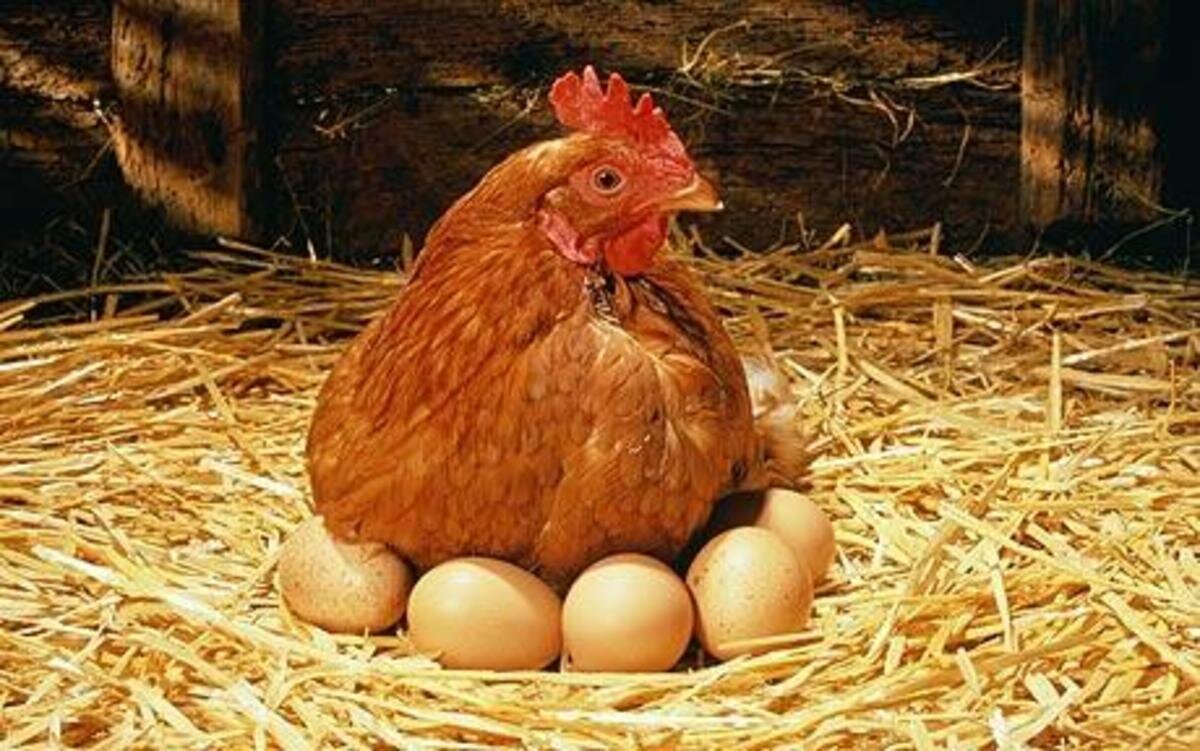
The opening pages of this new tractate, called Beitzah [lit, Egg] deal with the question of whether an egg that is laid on Yom Tov may be eaten. Perhaps it is mukzeh, that is, forbidden to be touched or moved because it was produced on a holiday, and not designated as food the day before. In explaining the opening Mishnah, the Babylonian sage Rabbah (d. 320 C.E.) makes this statement:

ביצה ב, א

כֹּל בֵּיצָה דְּמִתְיַלְדָא הָאִידָּנָא — מֵאֶתְמוֹל גָּמְרָה לָהּ

any egg laid now was already fully developed yesterday, and merely emerged from the chicken today.

Since a lot depends on whether or not this statement is biologically correct, today we are going to discuss how a chicken actually lays her eggs. Ready? Let’s go.

From here.

From here.

The Biology of Egg Production

According to The Poultry Site (“Your poultry knowledge hub”) it takes about 25 hours for a chicken to grow and lay her egg. First, the hen produces a small ‘egg’ (with no shell) from her ovary, and - fun fact- the chicken, unlike most animals (including us) has only one ovary, instead of the usual two. Here is a map so that you can follow along:

Reproductive organs of the hen. From here.

Reproductive organs of the hen. From here.

At this stage, that egg is one of the yolks of the 4,000 with which the chicken is born. It then moves out of the ova and into the infundibulum. If there is a boy chicken around, this is where his sperm would meet the yolk and fertilize it. (You know that tiny whitish spot you see on every egg yolk? That's a single female cell called a blastodisc. If it is fertilized by the boy chicken’s sperm, cell division and embryo development begins there.) But there are no boy chickens around when the goal is to produce eggs for consumption. So the unfertilized yolk continues on its journey and passes through a section called the magnum, where the albumen, the white bits of the mature egg, are secreted around the yolk. The egg is now about 3 hours old. As it approaches the end of its journey along the hen’s reproductive tract, the inner and outer layers of the shell membranes are added, a process that takes about another hour.

Now the egg is in the hen’s uterus. This is where the shell, made mostly of calcium carbonate, is added. It takes about 20 hours to form and perhaps another hour for the color, or pigment, to be applied to the outer eggshell. This is where the eggshell gets its color, whether blue, white, brown, or green. Finally, the completed egg in its fully formed shell moves through the hen’s vagina and into her cloaca. That takes only a minute, and then, pop, out comes a nice fresh egg.

So was Rabbah correct? Kinda, but not really. It takes about 24 hours from start to finish, but once the egg is “fully formed” it is laid immediately. A fully formed egg does not sit around inside the chicken, which is what Rabbah seems to have been suggesting. On the other hand, the process of forming an egg takes a whole day, so in that sense, Rabbah’s egg laying biology was close to what actually happens. So now you know.

Print Friendly and PDF

Sukkah 56b ~ Abayye and the Fundamental Attribution Error

On the last page of this tractate of Talmud, Abayye teaches this:

סוכה נו, ב

אָמַר אַבָּיֵי: אוֹי לָרָשָׁע אוֹי לִשְׁכֵינוֹ, טוֹב לַצַּדִּיק טוֹב לִשְׁכֵינוֹ [שֶׁנֶּאֱמַר: ״אִמְרוּ צַדִּיק כִּי טוֹב כִּי פְרִי מַעַלְלֵיהֶם יֹאכֵלוּ״]

Abayye said: Woe unto the wicked, woe unto his neighbor. Good for the righteous, good for his neighbor,

Abayye is teaching us not to associate with bad people, but rather to seek the company of those who are good. This advice is easy to understand and makes a lot of sense. But as we have only recently come to understand Abayye’s advice is more profound than that. Very much more. To understand why, we need to remind ourselves about the work of Professor Lee Ross, who brought us The Fundamental Attribution Error.

The Fundamental Attribution Error

Lee Ross, who died this June at the age of 78, was a psychologist who taught at Stanford for his entire career. His work, according to Harvard professor Daniel Gilbert, “came to dominate the field.” But really there was just one idea for which he was best known. It was what Ross called “the fundamental attribution error,” a term he coined in 1977 in a landmark paper. In it, he described how behavior that is caused by randomly assigned social roles struck those involved as arising instead from intrinsic character traits. Malcom Gladwell, whose work does much to popularize Ross’s ideas, explained in an interview that “almost all of my books are about the fundamental attribution error…It’s an idea I have never been able to shake.”

From here.

From here.

If I had to pick only one scientific finding about how the human mind works and promulgate it in hopes of saving the world, I’d probably go with attribution error.
— Ode to a World-Saving Idea. Nonzero Newsletter. June 22, 2021

Like many truly insightful findings, the basic idea can easily be understood. Here is how Robert Wright author of The Moral Animal, The Evolution of God, and, most recently, Why Buddhism is True, put it:

When we’re explaining the behavior of other people, we tend to put too much emphasis on “disposition”—on their character, their personality, their essential nature. And we tend to put too little emphasis on “situation”—on the circumstances they find themselves in.

Let’s say, Wright continues, that you see the face of a minister (or rabbi or imam) and then a picture of a prison inmate. You would likely assume that they have very different characters. But actually that is not correct. Ross, and his colleague Richard Nisbett explained what is really going on.

Clerics and criminals rarely face an identical or equivalent set of situational challenges. Rather, they place themselves, and are placed by others, in situations that differ precisely in ways that induce clergy to look, act, feel, and think rather consistently like clergy and that induce criminals to look, act, feel, and think like criminals.

The Fundamental Attribution Error (which is also known as correspondence bias or the attribution effect,) is our tendency to under-emphasize situational and environmental explanations for an individual's observed behavior while over-emphasizing dispositional and personality-based explanations. The truth of the matter, Ross claimed, is that behavior is less to do with personality and more to do with the situation or context. Here is another example:

If someone cuts us off while driving, our first thought might be “What a jerk!” instead of considering the possibility that the driver is rushing someone to the airport. On the flip side, when we cut someone off in traffic, we tend to convince ourselves that we had to do so. We focus on situational factors, like being late to a meeting, and ignore what our behavior might say about our own character.

…in one study when something bad happened to someone else, subjects blamed that person’s behavior or personality 65% of the time. But, when something bad happened to the subjects, they blamed themselves only 44% of the time, blaming the situation they were in much more often.

So the fundamental attribution error explains why we often judge others harshly while letting ourselves off the hook at the same time by rationalizing our own unethical behavior.

Exceptions to the Fundamental Attribution Error

There are times, however, that we actually ignore the Fundamental Attribution Error. This is when we see ethical behavior in our enemies, and unethical behavior in our friends. Here again is Robert Wright:

(1) If an enemy or rival does something good, we’re inclined to attribute the behavior to situation. (Granted, my rival for the affections of the woman I love did give money to a homeless man, but that was just to impress the woman I love, not because he’s actually a nice guy!) (2) If a friend or ally does something bad, we’re inclined to attribute the behavior to situation. (Yes, my golf buddy embezzled millions of dollars, but his wife was ill, and health care is expensive—plus, there was the mistress to support!)

Or another example:

Yes, the Gazan gave aid to the Israeli, but he had to do so because he was being filmed; yes, the Israeli troops opened fire and there were civilian deaths, but what else could they do? They didn’t start the riot.

Do you see what is happening here? In the first case (an enemy, or at least not a good friend) we attribute good behavior to circumstance rather than character, and in the second (a friend) we attribute questionable behavior to circumstance. So we don’t always attribute good behavior to character. Sometimes we lean more towards the situation. And there are good reasons for doing so. It is important to keep our in-group in high esteem. Believing that members of our own tribe are highly reliable rule followers gives us a cohesiveness of purpose. In contrast, it is best to think of members of other, warring tribes, as morally bankrupt. That, after all, is why we are at war with them.

How to use the Fundamental Attribution Error

Once we are aware of the attribution error we can make our lives better by exercising cognitive empathy. Next time someone cuts in line in front of you at the airport, don’t think “How rude. What a selfish person.” Consider instead: “Maybe this person is late for a flight to visit his aunt who is dying and who has asked to see him one last time. “ Give more weight to a person’s situation, and less to their character.

BAck to Abayye

“Woe unto the wicked,” Abayye taught, “and woe unto their neighbor. Good for the righteous, good for their neighbor.” If you situate yourself with bad people (and yes, there still are bad people, even after accounting for the Fundamental Attribution Error) you are more likely to be pulled into a sphere of poor moral judgements and practice. That’s because, as the Fundamental Attribution Error teaches us, you are more influenced by your surroundings than you think. And if you situate yourself with good people, you are more likely to act in ways that reflect sound moral practice.

We like to think of ourselves as having a character that is not influenced by superficialities like who are our neighbors and friends. But as Abayye taught us and Professor Lee Ross verified, nothing could be further from the truth.

רמב׳ם הלכות דעות 6:1

דֶרֶךְ בְּרִיָּתוֹ שֶׁל אָדָם לִהְיוֹת נִמְשָׁךְ בְּדֵעוֹתָיו וּבְמַעֲשָׂיו אַחַר רֵעָיו וַחֲבֵרָיו וְנוֹהֵג כְּמִנְהַג אַנְשֵׁי מְדִינָתוֹ. לְפִיכָךְ צָרִיךְ אָדָם לְהִתְחַבֵּר לַצַּדִּיקִים וִלֵישֵׁב אֵצֵל הַחֲכָמִים תָּמִיד כִּדֵי שֵׁיִּלִמֹד מִמַּעֲשֵׂיהֵם. וִיִתִרַחֵק מִן הָרִשָׁעִים הַהוֹלְכִים בַּחשֶׁךְ כְּדֵי שֶׁלֹּא יִלְמֹד מִמַּעֲשֵׂיהֶם

It is a natural tendency of man to be influenced in his ideas and conduct by his fellows and associates, and to follow the usage of the people of his state. Because thereof, it is necessary for man to be in the company of the righteous, and to sit near the wise, in order to learn from their conduct, and to distance himself from the evil-doers who follow the path of darkness, in order not to learn from their conduct

תם ולא נשלם מסכת סוכה

Print Friendly and PDF