Yoma 15b ~ To the Right. Always to the Right

יומא טו, ב

כל פינות שאתה פונה לא יהו אלא דרך ימין...

All turns that you make must be towards the right

Homer Simpson Lefty Store.jpeg

Today's page of Talmud teaches that when walking up the ramp to the top of the Altar in the Temple, the Cohen must make a right turn at the top. Following that, every turn he makes must be a right turn. But why a right turn?

The importance of the right side in Judaism

In the Talmud and in normative Jewish practice, the preference to favor the right over the left is everywhere. Here are just a few. (How many more can you think of?)

  • Rav Ashi rules that Tefillin must placed it on the left arm, because it is weaker than the right and the action of placing them should be performed with the stronger right hand (מנחות לז, א).

  • The Talmud teaches that a right-handed person who writes with her left hand on Shabbat has not violated the prohibition against writing. It doesn't count. Maimonides (הלכות שבת 11:14) agrees:

הַכּוֹתֵב בִּשְׂמֹאלוֹ אוֹ לְאַחַר יָדוֹ בְּרַגְלוֹ בְּפִיו וּבְמַרְפֵּקוֹ פָּטוּר

  • According to Rava, walking should start with the right leg, and not the left (יומא יא, ב)

  • As we know from studying Zevachim, the entire service in the Temple in Jerusalem must be performed with the right hand (ביאת המקדש 5:18 )

  • The rite of חליצה must be performed with the right leg and a right shoe (יבמות קד, א).

  • The mezuzah can only be placed on the right side of the door (רמבם הל׳ מזוזה 6:12).

  • The best student of a rabbi should walk on the rabbi's right side, relegating the second best to the left (יומא לז, א).

  • Again in this tractate, Rabbi Yehudah stated that “the right hand of the deputy high priest (סגן כהן גדול) is superior to the left hand of the high priest (כהן גדול) (יומא לט,א)

  • After observing his teacher Rabbi Yehoshua, Rabbi Akiva taught that the left hand should be used after using the bathroom, out of respect to the right hand (ברכות סב,ב). When challenged as to why Rabbi Akiva was impertinent enough to report on which hand his teacher wiped himself he replied תורה היא וללמוד אני צריך - "this too is Torah, and I must study it".

לֵ֤ב חָכָם֙ לִֽימִינ֔וֹ וְלֵ֥ב כְּסִ֖יל לִשְׂמֹאלֽוֹ׃

A wise man’s mind tends toward the right hand, a fool’s toward the left.

— Kohelet 10:2

It's not Just Judaism

In Islam

The importance of all things right handed is found in other religions. For example, when Muslims perform any of the following, it is mustahabb [مستحبّ‎, - "recommended"] to start on the right or use the right hand.

  • putting on one's garment and pants and shoes

  • entering the mosque, using the siwaak [ a kind of toothpick]

  • putting on kohl [an ancient blue eye cosmetic]

  • clipping the nails

  • trimming the mustache

  • combing the hair plucking the armpit hair

  • shaving the head

  • saying salaam at the end of prayer

  • washing the limbs when purifying oneself

  • exiting the toilet, eating and drinking

  • shaking hands

  • touching the Black Stone [ٱلْحَجَرُ ٱلْأَسْوَد‎, al-Ḥajaru al-Aswad, a rock set into the eastern corner of the Kaaba, the ancient building located in the center of the Grand Mosque in Mecca, Saudi Arabia. Legend has it that the rock dates back to Adam and Eve.]

  • The Bukhari Sharif , one of the six major hadith collections of Sunni Islam rules along the lines of Rabbi Akiva:

"... when you urinate, do not touch your penis with your right hand. And when you cleanse yourself after defecation, do not use your right hand."

The right hand of the Messenger of Allah (peace and blessings of Allah be upon him) was for his purification and food, and his left hand was for using the toilet and anything that was dirty...
— Sunan Abi Dawood (33)

in christianity

in hinduism

  • Offerings, such as flowers or garlands, are carried with both hands on the right side of the body.

  • "Pointing with the forefinger of the right hand or shaking the forefinger in emphasis while talking is never done. This is because the right hand possesses a powerful, aggressive pranic force, and an energy that moves the forces of the world."

  • Vāmācāra ( वामाचार, meaning "left-handed attainment" in Sanskrit) describes the "Left-Hand Path" or "Left-path" It is used to describe a particular mode of worship that is heterodox to standard Vedic teachings.

  • In Benares, the holiest of the seven sacred cities and sitting on the Ganges, "pilgrims circumambulate with their right hands towards the center, as Krishna is alleged to have done at the sacred mountain."

Well, you get the point.  Judaism, along with all the major religions (and some you've never heard of) emphasize the dominance of the right hand in all things holy. Or mundane.

The Ngaga of southern Borneo believe everything in the after-world is reversed, “sweet” becoming “bitter”, “straight” becoming “crooked”, and “right” becoming “left”. Likewise the Toraja of Celebes (Sulawesi) believed the dead do everything backwards, even pronouncing words backwards... the dead therefore use their left hand...
— I. C. Mcmanus. Right Hand, Left Hand: The Origins of Asymmetry in Brains, Bodies, Atoms and Cultures. Phoenix 2003, p27.

 and It's not just religions

There are lots of things that have chirality - meaning they have a mirror image but cannot be mapped onto that mirror image by rotations and translations. They exist in left or right-handed versions. Let's start with in easy example. Um, your hands. Although your right hand mirrors your left, your right hand cannot (comfortably) fit into a handed-glove.

From here.

From here.

Here's another example. Bend your fingers and extend your thumb as below. You've made two mirror images that cannot be mapped onto each other. (Go on. Give it a try. See what I mean?) That's chirality.

If we extend this to molecules, they are left or right-handed, meaning they are mirror images but they cannot be superimposed on each other. These are isomers. Like this:
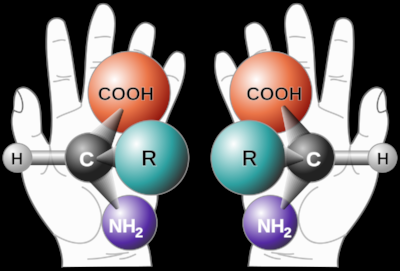
From here.

From here.

And here is where things start to get really weird. Nearly everything in the universe - from chemicals and medications to fundamental particles and even galaxies themselves have a right-handed or left-handed preference. No, really. 

Let's start with the essential building blocks of life: amino acids and sugars. Almost all amino acids (not you, glycine) used by life on earth (but not necessarily elsewhere in the universe) are left-handed.  Right-handed amino acids exist of course. They're just not utilized by any life form on earth. Any.  If you sit in a lab and cook up an amino acid from its ingredients, you will make an equal amount of the left and right handed variates. That's just good old chemistry at work. But life on earth can only use half the mixture: the L form. Some bacteria can actually convert right-handed amino acids into the left-handed version, but they can’t use the right-handed ones as is.

Like amino acids, sugars also come in two isomers, but those that are used by life forms on earth are the right-handed variety. All the enzymes that living things use to manipulate amino acids and sugars only work on left-handed amino acids and right-handed sugars. They simply can't use the opposites. Why did life turn out this way? Truth is, nobody knows.  

Medications also exhibit chirality. For example, propranolol is commonly used to help control high blood pressure. Some of you reading this may be taking it. The left form (L-propranolol) is the one that helps. The right form (known as D-propranolol) is inactive. (The Latin for left and right is laevus and dexter, respectively.)

Quinine is an antimalarial drug. It has an isomer called quinidine, and quinidine has no anti-malarial action. But it's a great drug to reduce arrhythmias of the heart. One compound, with two isomers, each with their own remarkable and very different healing properties.

Now consider muons, a fundamental particle in our universe. It is kind of like an electron, but about 200 times heavier. Muons have an average life-expectancy of 2.2 microseconds (so don't expect any kind of long-term relationship) after which time they decay into an electron, a neutrino, and an anitneutirno. The direction that the electron will come out depends on the direction in which the muon spins. Now you would expect there to be equal amounts of electrons that are ejected spinning one way or another. But there aren't.  What happens is that 99.9% of muons decay in a right-handed fashion.

And while we are on the subject of decaying muons, let's talk about those neutrinos, which are a weird fundamental particle with the smallest mass of any known thing. They too, have a preference for the right or left. All neutrinos are left handed, while all anti-neutrinos (whatever that means) are right handed.

Left and right handed galaxies. From here.

Left and right handed galaxies. From here.

Ready for more? Statistically speaking our universe should contain an equal amount of left and right handed galaxies (as noted in how they spin). But this should not occur. In an analysis of over 2,600 nearby spiral galaxies and a later analysis of 15,000 more, Michael Longo demonstrated that that left-handed spirals are more common in the northern hemisphere, above the northern galactic pole. And although the signal is less strong, right-handed spirals appear more frequently in the south.

It's good to be a leftie

About 10-13% of humans are left-handed. (Captive chimpanzees are more left-handed than us, with an approximate 2:1 ratio of righties to lefties. In us it's more like 8:1) But aside from the problem of not finding scissors that work for you, being a leftie gives you some pretty good advantages.

...not only left-handers are over-represented in confrontational sports, but the closer the physical interaction of the opponents such as in boxing, fencing, judo, or karate, the greater the prevalence of left-handers. In basketball, football, handball, table tennis, tennis, and volleyball, for instance, competitors stand some distance apart and do not confront directly. But even in these sports, there are more than the expected number of left-handers...
— Grouios G. et al. Do left-handed competitors have an innate superiority in sports? Perception and Motor Skills, 2000:90;1273-1282

At the undergraduate level they are more likely to take part in a whole range of events, from judo and fencing and soccer and volleyball. But when it comes to non-confrontational sports like cycle racing, running or swimming, the proportion of left handers fall back to that of the general population. Lefties make up about 10% of the population, but 23% of all Wimbledon tennis champions were lefties.

There is a lot more evidence that lefties have many advantages over (us) righties. In a complicated test of spatial skills which you can read about here, 47 lefties demonstrated faster and more accurate spatial skills than the 50 righties, along with strong executive control and mental flexibility. And in this study of 100 lefties and 100 righties, the left-handed demonstrated greater creativity than the right-handed on all 4 scales of the Torrance test which examines creative thinking.

Obama writes with his left hand.jpg

And lefties appear to be smarter that righties.  In a study of some 300 gifted children, left (-or mixed-handedness) occurred more frequently in those who were mathematically or verbally precocious (for our readers in the US, this meant an SAT-M score of more than 700 and an SAT-L score of more than 630). Of the last 15 US presidents, seven (about 47%) have been left-handed.  That's almost 1 in 2! Oh, and compared with righties, college-educated left-handers in the US earn 10-15% more.

Leonardo da Vinci was a lefty, as were Michelangelo, Isaac Newton, and Albert Einstein.

Despite these, and many other advantages, our cultures have stigmatized those who are left-handed. We all know that the word sinister (meaning something harmful or evil is going to happen) comes from the Latin sinister meaning left.  But there are more examples of anti-left associations in other languages too. Adroit, meaning clever or skillful comes from the French word for right droite, meaning dextrous. In German, linkisch means awkward, and it comes from the German links, meaning left. And so it goes on.

Back to the Jewish Bible

Left-handed people are mentioned only three times in Tanach, and all come from the tribe of Benjamin:

  • There were the 700 men from the tribe of Benjamin who could use a sling with deadly accuracy (שופתים 20:16):

מִכֹּ֣ל ׀ הָעָ֣ם הַזֶּ֗ה שְׁבַ֤ע מֵאוֹת֙ אִ֣ישׁ בָּח֔וּר אִטֵּ֖ר יַד־יְמִינ֑וֹ כָּל־זֶ֗ה קֹלֵ֧עַ בָּאֶ֛בֶן אֶל־הַֽשַּׂעֲרָ֖ה וְלֹ֥א יַחֲטִֽא׃

  • There were the ambidextrous men who came to fight for King David at Ziklag, who were from the tribe of Benjamin (דברי הימים א, 12:2)

נֹ֣שְׁקֵי קֶ֗שֶׁת מַיְמִינִ֤ים וּמַשְׂמִאלִים֙ בָּֽאֲבָנִ֔ים וּבַחִצִּ֖ים בַּקָּ֑שֶׁת מֵאֲחֵ֥י שָׁא֖וּל מִבִּנְיָמִֽן׃

  • And perhaps most famously there was the left-handed Ehud ( אֶת־אֵה֤וּד בֶּן־גֵּרָא֙ בֶּן־הַיְמִינִ֔י אִ֥ישׁ אִטֵּ֖ר יַד־יְמִינ֑וֹ) who assassinated the Moabite king Eglon (שופתים 3:12-30). Because Ehud was left-handed he hid his dagger on his right side. In this way he got past the body search outside the throne room, where the guards looked for a weapon on the left. As for the rest, well, read on:וַיִּשְׁלַ֤ח אֵהוּד֙ אֶת־יַ֣ד שְׂמֹאל֔וֹ וַיִּקַּח֙ אֶת־הַחֶ֔רֶב מֵעַ֖ל יֶ֣רֶךְ יְמִינ֑וֹ וַיִּתְקָעֶ֖הָ בְּבִטְנֽוֹ׃ וַיָּבֹ֨א גַֽם־הַנִּצָּ֜ב אַחַ֣ר הַלַּ֗הַב וַיִּסְגֹּ֤ר הַחֵ֙לֶב֙ בְּעַ֣ד הַלַּ֔הַב כִּ֣י לֹ֥א שָׁלַ֛ף הַחֶ֖רֶב מִבִּטְנ֑וֹ וַיֵּצֵ֖א הַֽפַּרְשְׁדֹֽנָה׃ Reaching with his left hand, Ehud drew the dagger from his right side and drove it into [Eglon’s] belly. The fat closed over the blade and the hilt went in after the blade—for he did not pull the dagger out of his belly—and the filth came out.

All of this is really strange because of course the name of this tribe  - Benjamin - literally means "the son of the right" בן ימין.  

Back to Yoma

Today's daf yomi page of Talmud has a very short instruction:"All turns that you make must be towards the right." But this phrase reveals a profound truth about who we are as humans, and of the very stuff from which we are made.  In culture after culture, in religions after religion, and in the very structure of our universe, there are left or right-handed preferences and predilections, many of which we simply cannot currently explain. Our religious and cultural preferences for the right likely stems from the simple fact that left-handedness is eight times less common. Unfortunately, a suspicion of the other, of those who are not like the majority, is a common trait that in one way or another we all share. But it needn't be so. The other, those in the minority, teach us and enrich our lives. Heck, they are often even smarter and quicker than the majority.  We are all better off with them.

[Repost from Zevachim 62.]

Print Friendly and PDF

Yoma 10a ~ On the Origins of Nations

Today’s page of Talmud digresses into a discussion of where we come from.

יומא י, א

וּפָרְסָאֵי מְנָא לַן דְּמִיֶּפֶת קָאָתוּ, דִּכְתִיב: ״בְּנֵי יֶפֶת גּוֹמֶר וּמָגוֹג וּמָדַי וְיָוָן וְתוּבָל וּמֶשֶׁךְ וְתִירָס״. גּוֹמֶר — זֶה גֶּרְמַמְיָא, מָגוֹג — זוֹ קַנְדִּיָּא, מָדַי — זוֹ מַקֵדוֹנְיָא, יָוָן — כְּמַשְׁמָעוֹ, תּוּבָל — זֶה בֵּית אוּנַיְיקִי, מֶשֶׁךְ — זוֹ מוּסְיָא, תִּירָס, פְּלִיגִי בַּהּ רַבִּי סִימַאי וְרַבָּנַן, וְאָמְרִי לַהּ רַבִּי סִימוֹן וְרַבָּנַן, חַד אָמַר: זוֹ בֵּית תְּרַיְיקִי, וְחַד אָמַר: זוֹ פָּרַס. תָּנֵי רַב יוֹסֵף: תִּירָס — זוֹ פָּרַס

From where do we derive that the Persians descend from Japhet? The Gemara answers: As it is written: “The sons of Japheth were Gomer and Magog and Madai and Javan and Tuval and Meshech and Tiras” (Genesis 10:2). The Gemara explains: Gomer, that is Germamya; Magog, that is Kandiya; Madai, that is Macedonia; Javan, in accordance with its plain meaning, Greece; Tuval, that is the nation called Beit Unaiki; Meshech, that is Musya. With regard to Tiras, Rabbi Simai and the Rabbis disagree, and some say the dispute is between Rabbi Simon and the Rabbis: One said: That is Beit Teraiki, and one said: That is Persia. According to that approach, Persia is listed among the descendants of Japheth. Rav Yosef taught: Tiras is Persia.

So according to the Talmud, the Germans, the Cretans (inhabitants of Crete - Kandia in Hebrew and the largest and most populous of the Greek islands), the Macedonians, the Greeks, Macedonians and the Persians all descended from Japhet.

Where did the Indo-Europeans come from?

There are only a limited number of ways that we can reconstruct the origins of Indo-Europeans. One is through DNA testing of both the living and the dead, as we will return to this later. A second way is to look at language as a way of identifying common ancestry. It may not be as precise as DNA sequencing, but as David W. Anthony and Don Ringe pointed out in their 2015 paper The Indo-European Homeland from Linguistic and Archaeological Perspectives, it is possible to reconstruct a prehistoric language such as Proto- Indo-European (PIE), though with many qualifications. “Because the grammar fragment, phonological system, and lexemes that are reconstructible for PIE reveal a coherent, unremarkable human language…the PIE-speaking community might, given the correct integrative methods, be correlated with the reality recovered by archaeology.”

One fact especially makes the connection of prehistoric languages with prehistoric material cultures worth pursuing. Some of the words that we can reconstruct for protolanguages have very specific meanings, and a few refer to technological developments that can be dated independently and correlated with the archaeological record. That is crucial because, in the absence of writing, archaeology yields no direct evidence for the language spoken by the people who made a particular group of artifacts. Under most circumstances, only the indirect correlation of datable artifacts and the words that refer to them can connect linguistic prehistory with archaeology. In this respect, too, PIE is a fortunate case.
— David W. Anthony and Don Ringe. The Indo-European Homeland from Linguistic and Archaeological Perspectives. Annu. Rev. Linguist. 2015. 1:199–219

This linguistic archeology is a complicated business: There are at least ten groups of Indo-European (IE) languages, and, according to Anthony and Ringe, none are closely related to the others.

Determining the order in which they diverged from each other, called subgrouping, has proved surprisingly difficult but a consensus is emerging. It seems clear that the ancestor of the Anatolian subgroup (which includes Hittite) separated from the other dialects of PIE first, so from a cladistic point of view Anatolian is half the IE family. Within the non-Anatolian half, it appears that the ancestor of the Tocharian subgroup (whose attested languages were spoken in Xinjiang, today in western China, until approximately the tenth century CE) separated from the other dialects before the latter had diverged much. It follows that an item inherited by two or more of the daughter subgroups can be reconstructed for “early” PIE only if it is attested in at least one Anatolian language and at least one non-Anatolian language, and such an item can be reconstructed for the ancestor of the non-Anatolian subgroups only if it is attested in one or both of the Tocharian languages and in some other IE language.

The Case of the Word “Wheel”

Thanks to some solid carbon dating, we know that the invention of the wheel-and-axle principle, which first made wagons and carts possible, occurred around 4000–3500 BCE. So by looking at the words for axle and wheel it may be possible to reconstruct the origins of the word, and from there figure out the origins of the peoples themselves.

Wheel terms found in Indo-European language branches.  From David W. Anthony and Don Ringe. The Indo-European Homeland from Linguistic and Archaeological Perspectives. Annu. Rev. Linguist. 2015. 1:199–219.

Wheel terms found in Indo-European language branches. From David W. Anthony and Don Ringe. The Indo-European Homeland from Linguistic and Archaeological Perspectives. Annu. Rev. Linguist. 2015. 1:199–219.

So, for example, the words for wheel and cart/wagon/chariot take one of two common forms, which are thought to be linked with two PIE roots: the root kʷel- "move around" is the basis of the unique derivative kʷekʷlo- "wheel" which becomes hvél (wheel) in Old Icelandic, kolo (wheel, circle) in Old Church Slavonic, kãkla- (neck) in Lithuanian, kyklo- (wheel, circle) in Greek, cakka-/cakra- (wheel) in Pali and Sanskrit, and kukäl (wagon, chariot) in Tocharian A. The root ret(h)- becomes rad (wheel) in Old High German, rota (wheel) in Latin, rãtas (wheel) in Lithuanian, and ratha (wagon, chariot) in Sanskrit.

The Anatolian hypothesis suggests that speakers of PIE lived in Anatolia (mostly modern day Turkey) during the Neolithic period (10,000–4,500 BCE). From there, Indo-European languages spread into Europe and Asia minor around 7,000 BCE. They then split into three major clades: Indo-European languages in Europe, Dravidian languages in Pakistan and India, and Afroasiatic languages in the Arabian Peninsula and North Africa.

The DNA evidence

In a 2015 paper published in the prestigious journal Nature, a massive international team of researchers with backgrounds in evolutionary genetics, archeology, linguistics, evolutionary biology, history and anthropology analyzed the genetic material from 101 ancient humans from across Eurasia. They demonstrated that “the Bronze Age was a highly dynamic period involving large-scale population migrations and replacements, responsible for shaping major parts of present-day demographic structure in both Europe and Asia.” And importantly, they note that their findings “are consistent with the hypothesized spread of Indo-European languages during the Early Bronze Age.”

Our analyses support that migrations during the Early Bronze Age is a probable scenario for the spread of Indo-European languages, in line with reconstructions based on some archaeological and historical linguistic data... Importantly, however, although our results support a correspondence between cultural changes, migrations, and linguistic patterns, we caution that such relationships cannot always be expected but must be demonstrated case by case.

The Proto-Indo-European homeland, with migrations outward at about 4200 BCE (1), 3300 BCE (2), and 3000 BCE (3a and 3b). A tree diagram (inset) shows the pre-Germanic split as unresolved. From David W. Anthony and Don Ringe. The Indo-European Homela…

The Proto-Indo-European homeland, with migrations outward at about 4200 BCE (1), 3300 BCE (2), and 3000 BCE (3a and 3b). A tree diagram (inset) shows the pre-Germanic split as unresolved. From David W. Anthony and Don Ringe. The Indo-European Homeland from Linguistic and Archaeological Perspectives. Annu. Rev. Linguist. 2015. 1:199–219.

Today’s page of Talmud claims that peoples as diverse as the ancient Germans, Greeks, Macedonians and Persians originally came from a single shared ancestor: Japhet, third son of Noah. Studies from the modern disciplines as diverse as history, linguistics, genetics and anthropology have concluded that Europeans and Iranians shared a common origin in the steppes of Anatolia. Both origin stories remind us that whatever our national identities, we have much more in common with others than we could have ever imagined.

Print Friendly and PDF

Yoma 8a ~ God's Name. Tattooed.

On a delightful sunny day in August 2012 I was enjoying a refreshing Coke with my family at a quiet coffee shop in Toledo, Spain, where we were on vacation. Near us was man enjoying his own refreshment, and I could not help notice the tattoo on his left arm.

Madrid & Toledo Vacation 2009.jpg

And then I noticed the tattoo on his right arm. Eloheynu - “Our God.”

Madrid & Toledo Vacation 2009 (1).jpg

Unfortunately there was a language barrier that prevented us from having what would have been, I am sure, a most interesting little chat. I might even have shared with this nice man with a gentle smile the ruling from today’s page of Talmud:

יומא ח, א

הֲרֵי שֶׁהָיָה שֵׁם כָּתוּב עַל בְּשָׂרוֹ — הֲרֵי זֶה לֹא יִרְחַץ וְלֹא יָסוּךְ וְלֹא יַעֲמוֹד בִּמְקוֹם הַטִּנּוֹפֶת. נִזְדַּמְּנָה לוֹ טְבִילָה שֶׁל מִצְוָה — כּוֹרֵךְ עָלָיו גֶּמִי וְטוֹבֵל. רַבִּי יוֹסֵי אוֹמֵר: יוֹרֵד וְטוֹבֵל כְּדַרְכּוֹ, וּבִלְבַד שֶׁלֹּא יְשַׁפְשֵׁף

It was taught in a baraita: With regard to one who had a sacred name of God written on his flesh, he may neither bathe, nor smear oil on his flesh, nor stand in a place of filth. If an immersion by means of which he fulfills a mitzva happened to present itself to him, he wraps a reed over God’s name and then descends and immerses, allowing the water to penetrate so that there will be no interposition between him and the water. Rabbi Yossi says: Actually, he descends and immerses in his usual manner, and he need not wrap a reed over the name, provided that he does not rub the spot and erase the name.

Rabbi Yossi implies that the name of God was literally written on the skin, rather than tattooed. And this is how Rashi explains the Talmud:

לא ירחץ – שלא ימחקנו. ואזהרה למוחק את השם "ואבדתם את השם" וסמיך ליה "לא תעשון ן וגו'

He may not bathe - to prevent it from being erased…

This was codified by Maimonides in his Mishneh Torah:

רמב’ם משנה תורה הל׳ יסידי התורה 6:6

וְכֵן אִם הָיָה שֵׁם כָּתוּב עַל בְּשָׂרוֹ הֲרֵי זֶה לֹא יִרְחַץ וְלֹא יָסוּךְ וְלֹא יַעֲמֹד בִּמְקוֹם הַטִּנֹּפֶת. נִזְדַּמְּנָה לוֹ טְבִילָה שֶׁל מִצְוָה כּוֹרֵךְ עָלָיו גֶּמִי וְטוֹבֵל. וְאִם לֹא מָצָא גֶּמִי מְסַבֵּב בִּבְגָדָיו וְלֹא יְהַדֵּק כְּדֵי שֶׁלֹּא יָחֹץ. שֶׁלֹּא אָמְרוּ לִכְרֹךְ עָלָיו אֶלָּא מִפְּנֵי שֶׁאָסוּר לַעֲמֹד בִּפְנֵי הַשֵּׁם כְּשֶׁהוּא עָרֹם

…If one had a Name written upon his flesh, he shall not wash, anoint himself or remain in unclean places; if he must undergo a mandatory immersion, he shall cover it with a leaf or, when no leaf is to be found, with part of his garments, yet must he not fasten it lest it be obstructive to the immersion, because the only reason it was said to cover the tattoo is because it is forbidden to remain naked in the Presence of the God’s Name.

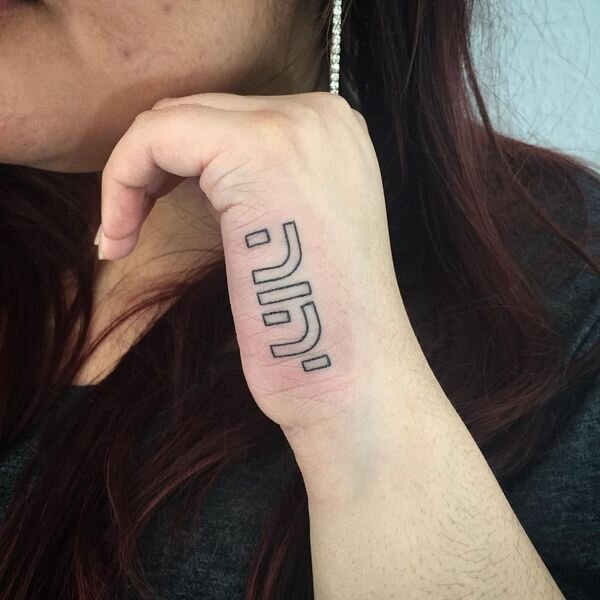
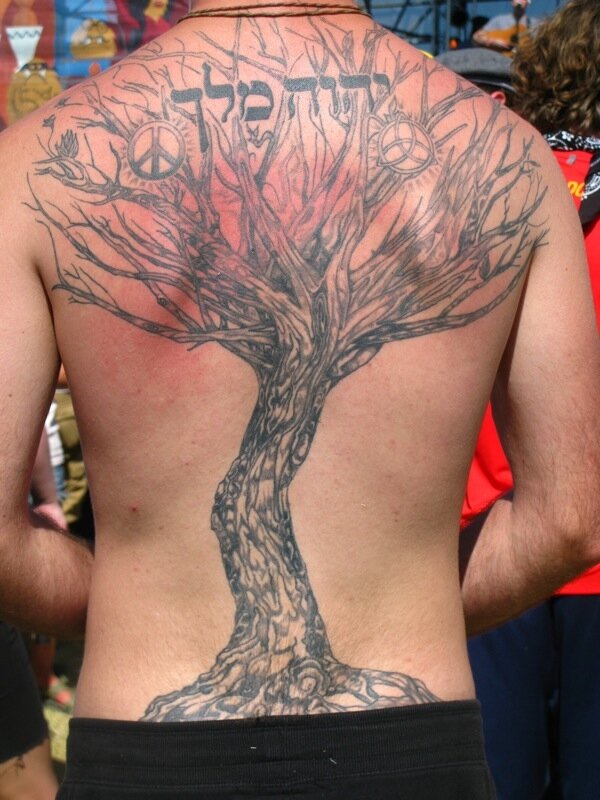
But it is also possible that the Talmud is referring to a more extreme form of writing on the skin: tattooing. On that sunny day in Spain I was surprised to find that God’s Hebrew name was something people would tattoo on themselves. But I should not have been. As today’s page of Talmud makes clear, people have been writing God’s name on themselves for a long time. And so here, for your viewing delight are some other examples of this phenomenon.

Let’s start with one that is not the name of God, but a common word associated with good luck. It is the Hebrew word חי chai, meaning life.

From here

From here

Ok, the next one doesn’t count. It is a poor transliteration of the four letter name of God י–ה–ו–ה written in English as “Yahweh.”

From here.

From here.

But this one is unmistakably God’s ineffable name. Or it will be once the thing is finished and someone colors in the letters.

From here.

From here.

Not sure what is going on here. This Hebrew tattoo means “But God [Elohim].” But God what?

From here.

From here.

Here is another one using the word Elohim. (This image was rotated 90 degrees to enable you to read the words easily.)

It is a quote from Psalms 46:11 הַרְפּ֣וּ וּ֭דְעוּ כִּי־אָנֹכִ֣י אֱלֹהִ֑ים אָר֥וּם בַּ֝גּוֹיִ֗ם אָר֥וּם בָּאָֽרֶץ׃ “Desist! Realize that I am God! I dominate the nations; I dominate the earth.”

From here.

From here.

Same verse. Only smaller. And this one has the advantage that when immersing in a Mikveh [ritual bath], it may easily be covered with a sock.

From here.

From here.

Next, “God is King.” Possibly the winner in the category “Largest Hebrew Name-of God Tattoo.”

From here.

From here.

Another example of the four letter name of God tattooed. Twice. And another winner, this time in the category of “I forgot my prayer book - what are the words?” It is Psalm 23. All of it.

From here.

From here.

The Jewish Prohibition against Tattooing

Jews are forbidden to get a tattoo. The origin of this prohibition is found in the Torah (Lev. 19:28)

וְשֶׂ֣רֶט לָנֶ֗פֶשׁ לֹ֤א תִתְּנוּ֙ בִּבְשַׂרְכֶ֔ם וּכְתֹ֣בֶת קַֽעֲקַ֔ע לֹ֥א תִתְּנ֖וּ בָּכֶ֑ם אֲנִ֖י יְהוָֽה׃

You shall not make gashes in your flesh for the dead, or incise any marks on yourselves: I am the Lord.

Maimonides is clear:

משנה תורה, מצוות לא תעשה מ״א

שלא לכתוב בגוף כעובדי עבודה זרה, שנאמר "וכתובת קעקע, לא תיתנו בכם" (ויקרא יט,כח)

Mishneh Torah, Negative Mitzvot 41

Not to tattoo the body, like the idolaters, as it is said, “…. nor shall ye print any marks upon you” (Lev. 19:28).

And here is the Sefer HaChinuch, an important anonymous work written in Spain sometime in the 13th-century. It details the 613 commandments and explains the reasons behind them.

Sefer HaChinukh 253:1

That we not imprint an imprinted tattoo into our flesh:

To not imprint an imprinted tattoo into our flesh, as it is stated (Leviticus 19:28), "and an imprinted tattoo you shall not put into your flesh." And the content is like that which the Yishmaelites do today, as they imprint an imprint that is inscribed and stuck into their flesh, such that it is never erased. And the liability is only with an imprint that is inscribed and impressed with ink or blue dye or with other colors that make an impression. And so did they say in Makkot 21a, "[If] he tattooed, but did not imprint" - meaning to say, he did not make an impression with color - "[if] he imprinted, but did not tattoo" - meaning to say that he did make an impression [on] his flesh with a color, but he did not make a marking in his flesh - " he is not liable, until he imprints, and tattoos with ink, or with blue dye or with anything that makes an impression."

Still, the Torah ruling is specific: “You shall not make gashes in your flesh for the dead.” But what if the gashes are not made “for the dead”? As a 2008 article from the New York Times made clear, many contemporary Jews grapple with the prohibition.

Andy Abrams, a filmmaker, has spent five years making a documentary called “Tattoo Jew.” In his interviews with dozens of Jews with body art, he’s noticed the prevalence of Jewish-themed tattoos from Stars of David to elaborate Holocaust memorials, surprising since one reason Jewish culture opposes tattoos is that Jews were involuntarily marked in concentration camps.

And that thing you’ve heard that a Jew with a tattoo cannot be buried in a Jewish cemetery? Nonsense. An urban legend. As The New York Times noted:

But the edict [against a Jew with a tattoo being buried in a Jewish cemetery] isn’t true. The eight rabbinical scholars interviewed for this article, from institutions like the Jewish Theological Seminary and Yeshiva University, said it’s an urban legend, most likely started because a specific cemetery had a policy against tattoos. Jewish parents and grandparents picked up on it and over time, their distaste for tattoos was presented as scriptural doctrine.

What is remarkable is today’s page of Talmud in which there is no comment made about how a Jewish person could ever be in the position of having to cover a tattoo. It just took it for granted that such a case could occur. Perhaps the person transgressed the prohibition, and now want to bathe in the cleansing waters of the ritual mikveh.

It’s difficult to know exactly how many young Jews are being tattooed, because no organization tracks these numbers. But a pro-tattoo community is emerging online. Christopher Stedman, a 23-year-old student in Rohnert Park, Calif., started a MySpace group called “Jews with Tattoos” in 2004, after noticing more Jewish friends being tattooed. The group now has 839 members.
— The New York Times, "For Some Jews, It Only Sounds Like ‘Taboo’." July 17, 2008.

Why Tattoo?

In his fascinating book Science Ink: Tattoos of the Science Obsessed, Carl Zimmer wrote that scientists get tattoos (and many of them do, judging from this book) “in order to mark themselves with an aspect of the world that has marked them deeply within. It is not simply the thing in the tattoo that matters…tattoos are a tribal marking: they display a membership with the universe itself.” And for those with the proclivity, what better way is there to remember the God who got the whole thing rolling than by tattooing of his name.

Two beautiful equations on the arms of Adam Simpson, who worked at the National Center for Computational Sciences.  “I got the tattoos because it’s amazing to me how just a few characters can impact the world so much, and I want others to know that.…

Two beautiful equations on the arms of Adam Simpson, who worked at the National Center for Computational Sciences. “I got the tattoos because it’s amazing to me how just a few characters can impact the world so much, and I want others to know that.” From Carl Zimmer, Science Ink; Tattoos of the Science Obsessed. New York. Sterling 2011. p28.

Print Friendly and PDF

Yoma 4b ~ Colonic Purging

In the days before Yom Kippur, the Day of Atonement, the Cohen Gadol (High Priest) had to be sequestrated. The sages of the Talmud learn this requirement from Moses himself.

שקלים ד,א

מֹשֶׁה עָלָה בֶּעָנָן, וְנִתְכַּסָּה בֶּעָנָן, וְנִתְקַדֵּשׁ בֶּעָנָן, כְּדֵי לְקַבֵּל תּוֹרָה לְיִשְׂרָאֵל בִּקְדוּשָּׁה, שֶׁנֶּאֱמַר: ״וַיִּשְׁכּוֹן כְּבוֹד ה׳ עַל הַר סִינַי״

Moses ascended in the cloud, and was covered in the cloud, and was sanctified in the cloud, in order to receive the Torah for the Jewish people in sanctity, as it is stated: “And the glory of the Lord abode upon Mount Sinai and the cloud covered him six days, and He called to Moses on the seventh day from the midst of the cloud” (Exodus 24:16).

This verse was interpreted by Rabbi Yossi HaGelili as refering to a period of six days following the verbal giving of the Ten Commandments, during which time Moses prepared himself to receive the Tablets. He was covered by a cloud and sequestrated. It was in memory of that period that all future High Priests would sequestrate themselves in preparation for Yom Kippur.

While agreeing with this interpretation that Moses was sequestered, Rabbi Natan maintained that this verse is not the origin of the model that those who are to enter into the Holiest of Holies and speak with the Divine must be sequestrated. It was a unique requirement that Moses do so, in order that he undergo a rather awkward medical procedure that today is called colonic purging.

שקלים ד,ב

רַבִּי נָתָן אוֹמֵר: לֹא בָּא הַכָּתוּב אֶלָּא לְמָרֵק אֲכִילָה וּשְׁתִיָּה שֶׁבְּמֵעָיו, לְשׂוּמוֹ כְּמַלְאֲכֵי הַשָּׁרֵת

Rabbi Natan says: the verse comes only to purge the food and drink that was in his intestines, to render him like the ministering angels [who require neither food nor drink].

So today let’s talk about colonic purging.

A Brief history of the “Dangerous” colon

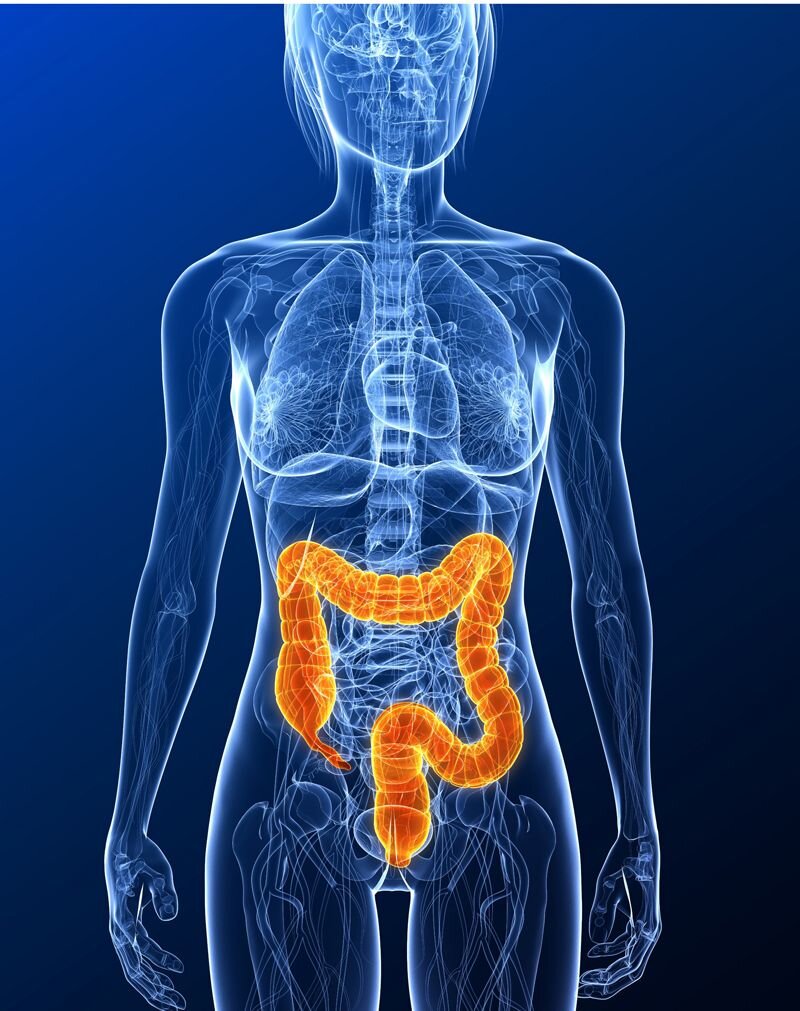
Colonic image.jpeg

The idea that our bowels are full of dangerous matter that must be evacuated by means other than the body’s own natural rhythm have been around for a long time. The Egyptians believed that a noxious agent associated with feces was the cause of all disease, and purgatives were prescribed to rid the body of them. The ancient Greek Cnidian School of Medicine owed much to the Egyptians, and taught that disease was caused by food residues that were not properly digested. According to Euryphon who was among those who founded that medical school, “when the belly does not discharge the nutrient that has been taken, residues are produced, which then rise to the regions about the head and cause disease.” In their 1989 paper on the history of the concept of intestinal autointoxiation, the authors note that the second century Greek physician Galen extended the concept of putrefaction to involve not only the residues of food, but also those of bile, phlegm, and blood, incorporating them into their humoral theory of disease.

Among the modern contributors to the idea that a normally functioning colon needs our help was a Ukrainian Jewish immunologist named Élie Metchnikoff (1845-1916.) In 1908 Metchikoff won the Nobel Prize in Medicine for his work on innate immunity, and the discovery that some white blood cells could ingest and destroy harmful pathogens. Along with this, Metchikoff believed that the colon was the source of many of our microbial misfortunes. Here, read it for yourself in his 1906 work The Nature of Man: Studies in Optimistic Philosophy.

From here.

From here.

But the Nobel Prize winner was not correct. The presence of the large intestine in the human body is not the cause of a series of misfortunes, any more than the presence of the lungs causes pneumonia or the presence of the brain causes strokes.

Metchnikoff could be considered an outsider throughout his life, due to his Jewish-Russian origins, his nonmedical training and also in his championing of phagocytosis rather than anti-sera as a primary agent of immunity. He had a prodigious memory and command of scientific literature, but could be paternalistic, sharing in several prejudices of his time. He had a volatile temperament and seemed to enjoy entering into polemics to defend his theories in the face of reasonable and unreasonable objections...
— Siamon Gordon. Elie Metchnikoff, the Man and the Myth. J Innate Immun 2016;8:223–227

What it colonic purging and how is it done?

Colonic purging is the idea that the bowels in general, and the large bowel - the colon - in particular contain toxins and particulate matter that should be artificially evacuated. Doing so, it is claimed, improves overall health. Here for example is how The International Register of Integrative Colon Hydrotherapists and Trainers (RICTAT, “Setting the standards in colonic hydrotherapy”) explains the purpose of a “colonic:”

1. Cleanse the Colon – Toxic material is broken down so it can no longer harm your body or inhibit assimilation and elimination.Debris that has built up over a long period is gently removed in the process of a series of treatments. Once impacted material is removed, your colon can begin to co-operate as it was intended to. In this very real sense, a colonic is a rejuvenation treatment.

2. It Exercises the Colon Muscles – The build-up of toxic debris weakens the colon and impairs its functioning. The gentle filling and emptying of the colon improves peristaltic (muscular contraction) activity by which the colon naturally moves material.

3. It Reshapes the Colon – When problem conditions exist in the colon, they tend to alter its shape which in turn causes more problems. The gentle action of the water, coupled with the massage techniques of the colon therapist helps to eliminate bulging pockets of waste and narrowed, spastic constrictions finally enabling the colon to resume its natural state.

4. It Stimulates Reflex Points – Every system and organ of the body is connected to the colon by reflex points, colonics stimulates these points, thereby affecting the corresponding body parts in a beneficial way.

Wow. Got all that? So a colonic (in this instance a water colonic) gets rid of toxins and debris, exercises the colon, reshapes the colon (whatever that means) and stimulates “reflex points.” In doing so it improves the health of all the various “corresponding body parts.” Lucky Moses!

Should you wish, you can achieve all the above with what RICTAT calls “a ‘Colonic’, ‘Colonic Lavage’, ‘Colonic Irrigation’ or ‘High Colonic’.” The organization claims that “colonic hydrotherapy is [a] safe, effective method for cleansing the colon of waste material by repeated, gentle flushing with water.”

There are a few ways of achieving this “cleansing.” You can, if you are so inclined, have a water enema: “After the gentle insertion of a small tube into the rectum, you are completely covered. Disposable tubing carries clean water in and waste out in a gravity pressured system. The mess and odour sometimes present during an enema simply do not exist with a colonic.” Good to know. Alternatively you can use herbs, laxatives and “dietary supplements” to get all the bad stuff out of your dangerous and nasty colon. Here are some of the more common oral cleansing preparation ingredients together with their proposed mechanisms of action

 
From Acosta and Cash. Clinical Effects of Colonic Cleansing for General Health Promotion: A Systematic Review Am J Gastroenterol 2009; 104:2830–2836.

From Acosta and Cash. Clinical Effects of Colonic Cleansing for General Health Promotion: A Systematic Review Am J Gastroenterol 2009; 104:2830–2836.


Do colonics work?

In their helpful 2009 review of the messy business (sorry) of colonics, two gastroenterologists from the National Naval Medical Center in Bethesda, Maryland reviewed all the relevant medical articles they could find relevant articles about colonic cleansing that were published between January 1966 and January 2009. They found almost three hundred articles of potential interest, but only seventeen that met their inclusion criteria which were (i) randomization, (ii) concealed allocation, (iii) double blinding, (iv) complete follow-up of patients, and (v) data reporting in an intention-to-treat analysis. Of these seventeen finalists only two were clinical trials. The others were case reports, case series, and review articles. And none were judged to be of high methodological quality. They were unable to identify

…any published articles describing the effects of colonic hydrotherapy or enema therapy on the promotion of general health or well-being in humans. We were also unable to identify any published reports of the effects of orally administered colonic cleansing therapies for the same outcome. We did identify one study evaluating the effects of colonic cleansing on colonic transit time in patients with chronic constipation. No publications that evaluated the effects of colonic cleansing for any of the conditions previously cited such as hypertension, asthma, irritable bowel syndrome, ulcerative colitis, arthritis, alcoholism, or sinus congestion were identified.

Not one. In over forty years, not one paper in the literature! What a shanda. There was, however, one trial that evaluated the addition of colonic hydrotherapy to accepted medical therapy for the treatment of heroin addiction.

The investigators randomized 75 heroin addicts into two groups: one group was treated with combined dihydroetorphine and methadone therapy, whereas the other group received dihydroetorphine and methadone, as well as colon dialysis (hydrotherapy) with Chinese herbal medicine on days 3–8 of treatment. According to the authors, patients who received hydrotherapy had faster resolution of opiate withdrawal symptoms and achieved a higher rate of abstinence than did the group that did not undergo hydrotherapy. But the methodology of this study is unclear as only the abstract is published in English, and the authors based their conclusions regarding the benefit of hydrotherapy on the rate of cutaneous pigmentation changes, a questionable end point for the stated objectives of this trial.

The Dangers of colonic Cleansing

Are there any dangerous to colonic cleansing? You bet. Here are a few of the choice examples, from the same paper.

  • There have been reports of deaths associated with electrolyte imbalances due to coffee enemas, and there are multiple reports of coffee enema-associated septicemia and colitis.

  • The risk of rectal perforation from colonic irrigation and enema therapy was documented in several reports. One of these reports consisted of three cases of perforation of the rectum from colonic irrigation administered by alternative medicine practitioners in Australia. Each patient in this case series had undergone colonic irrigation to “cleanse” or “clear out stale feces.” None of the patients had primary colonic or rectal pathology. None of the three patients were warned about the complication of perforation. Importantly, one patient initially denied the use of colonic irrigation, even with direct inquiry, presumably because of embarrassment. Another report involved a perforation suffered after a man administered a retrograde enema with a garden hose directly attached to the water source. The patient who suffered a perforation with the garden hose-administered enema suffered from chronic constipation symptoms, although the methods used also raise questions regarding the psychological status of that individual. All of these cases of perforation required surgical intervention.

  • In one of the most striking examples of the risks of colonic hydrotherapy, at least 36 cases of amebiasis occurred in individuals who had undergone colonic-irrigation therapy at a chiropractic clinic in Western Colorado from June 1978 through December 1980. In all, 10 of these patients required colectomy and 6 died.

Another peer reviewed paper by by three physicians from the Georgetown University School of Medicine in Washington, DC noted that there have been reported cases of and pelvic abscesses after colonic hydrotherapy, as well as “fatal aeroportia (gas accumulation in the mesenteric veins) with air emboli, rectal perforations, perineal gangrene, acute water intoxication, coffee enema-associated colitis and septicemia.”

Available scientific evidence does not support the claims on which colon therapy is based. It is known that most digestive processes take place in the small intestine, where nutrients are absorbed into the body. What remains enters the large intestine, where it passes to the rectum for elimination after water and minerals are extracted. Available scientific evidence does not support the premise that toxins accumulate on intestinal walls or that toxicity results from poor elimination of waste from the colon.
— American Cancer Society

The Torah was not given to angels- nor was the colon

Today we are just finally beginning to understand the importance of leaving the bowel alone, and not upsetting its fragile ecosystem with unnecessary antibiotics or silly colonic enemas. At the same time there is an appreciation that perhaps the gut plays a role in our health to a far greater degree than we once realized. (The ancient Egyptians would have been proud). In a 2019 review, researchers pointed out that the gut microbiome influences all sorts of things, including the central nervous system.

There is much to learn and the field is young, but even at this stage it is clear that the many bacteria, viruses, and fungi in the healthy gut live there in a careful balance. The less we upset that balance, the better. In several places in the Talmud, the rabbis reminded us that “The Torah was not given to angels” (לא ניתנה תורה למלאכי השרת). It might be a good time to remember that the colon was not given to angels either. Unlike angels, we need our colons intact and un-purged. Indeed, our lives depend on it.

From Mishori, R. The dangers of colon cleansing. The Journal of Family Practice. 2011: 60 (8):454-457.

From Mishori, R. The dangers of colon cleansing. The Journal of Family Practice. 2011: 60 (8):454-457.

Print Friendly and PDF